Arab-led parties win 19 Knesset seats after record turnout
Neither Netanyahu nor Eisenkot secured a majority, forcing coalition talks that place Palestinian citizens of Israel in a pivotal negotiating position.
By Jabari Long ·
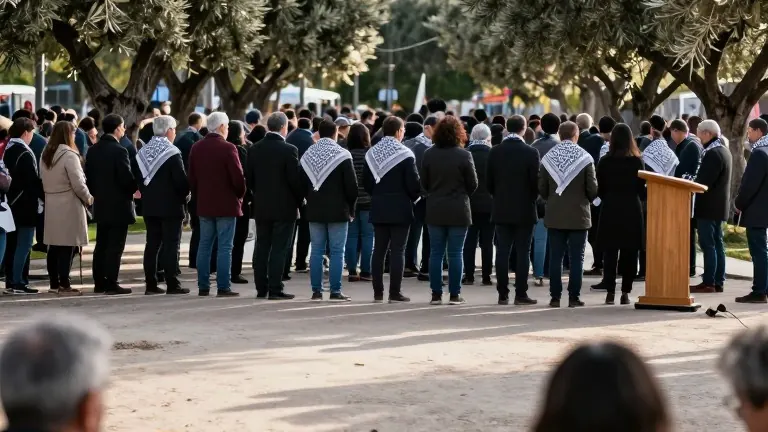
Palestinian citizens of Israel turned out for the recent parliamentary vote in record numbers, a shift that has disrupted the political balance in the state.
The election results have left both major blocs short of the 61 seats required to form a government. Prime Minister Benjamin Netanyahu’s right-wing coalition and the center-right opposition led by Gadi Eisenkot both failed to reach the necessary threshold.
Arab-led parties captured 19 of the 120 available Knesset seats. This bloc now holds the balance of power and will play a central role in determining who leads the country.
Jamal Zahalka, chairman of the High Follow-Up Committee, described the outcome as a historical achievement. He stated that the community had blocked the continuation of Netanyahu’s government and found a new strength in their collective participation.
The Central Elections Committee reported a 64 percent increase in votes for these parties compared to the previous cycle. This surge has intensified tensions within the Israeli right, which views the growing political influence of Arab parties as a challenge to the state’s Jewish character.
Netanyahu and his allies framed the high turnout as an emergency. Likud party officials claimed the results were compromised by bribery, threats, and forgery, though police found no basis for these assertions and election officials confirmed the vote was conducted properly.
Gadi Eisenkot, the main challenger, faces a difficult path to a majority. A former military chief of staff, Eisenkot’s son died fighting in Gaza, and he is known for the Dahiyeh doctrine, which advocates for disproportionate force against areas from which militants fire.
The Joint List, which won 11 of the 19 seats held by Arab-led parties, has said it will not formally join Eisenkot’s government. Leaders cited the ongoing war in Gaza and the occupation of the West Bank as reasons to support him from the outside rather than as full coalition partners.
President Isaac Herzog is currently consulting with party leaders to decide which candidate receives the mandate to form a coalition. He is expected to make this decision next week. The chosen candidate will have 28 days to build a government, with the option of a two-week extension.
If the first candidate fails, a second will be given only 28 days without an extension. If no coalition is formed, Israel will face repeat elections next year. In Kufr Qasim, residents like Mansour Shaaban, who voted for the first time, said the turnout demonstrates that Palestinian citizens have found their voice in national politics.