UAMS Stroke Conference Pairs Paramedics and Doctors
A Morrilton man shared his post-hospital recovery struggles during the eighth annual event held at the Jackson T. Stephens Spine and Neurosciences Institute.
By Madison Lewis ·
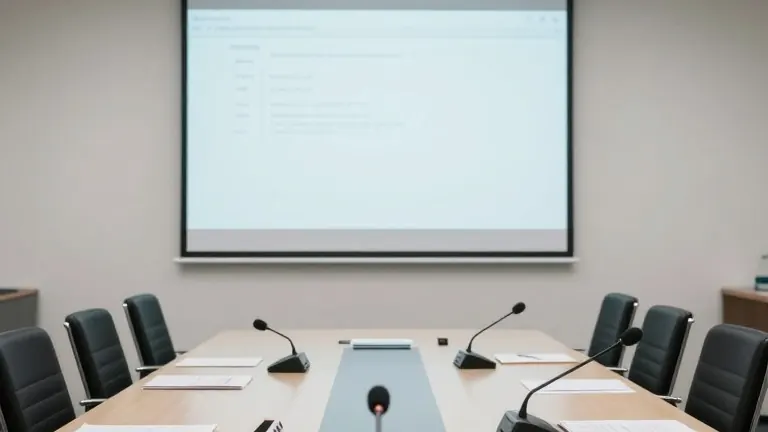
The University of Arkansas for Medical Sciences held its eighth annual stroke conference on October 2. The event took place at the Jackson T. Stephens Spine and Neurosciences Institute. The theme for this year was piecing together the next era of stroke care. The UAMS Comprehensive Stroke Program organized the gathering. It brought together healthcare professionals to discuss pre-hospital, acute, and post-acute care updates.
Clinical presentations covered vascular neurology, vascular neurosurgery, neurocritical care, neurointerventional radiology, and palliative care. Two specific talks focused on communication between ambulance staff and emergency room providers. Garrett Whisenhunt, a paramedic and clinical coordinator for Metropolitan Emergency Management Service, spoke alongside Brittney Sanchez, M.D., MPH, an emergency medicine resident at UAMS.
Whisenhunt noted that distinguishing a stroke from a condition that mimics one is inherently difficult. He said paramedics do not need a definitive diagnosis before arriving at the hospital. Instead, they must focus on four key areas. These include obtaining a timeline of events, establishing the patient's baseline, making objective findings, and protecting the pathway. He described protecting the pathway as arguably the most important job.
Whisenhunt warned about anchoring bias, a tendency to rely too heavily on the first piece of information received. He stressed that paramedics must quickly assess the patient's condition while determining the best destination for care. Upon arrival at the emergency room, he said medics need to hand over timelines, baselines, interventions, and responses to those interventions. They should also share possibilities about what could be going on.
Sanchez shared the emergency department perspective. She described rapid diagnostic tests such as CT scans and neurological exams. She said patients always, always, always need a blood sugar test. She encouraged providers to gather information from family members regarding the patient's baseline and history. She also advised allowing patients to respond independently when possible.
Randal Birdwell, a Morrilton man, shared his personal experience with the audience. He suffered a stroke on July 29, 2024, while working as a project manager. He described the challenges of working through deficits even when he appeared further along in recovery. He said leaving the hospital does not mean recovery is over. He noted that recovery can continue for months or years.
Birdwell said he wished doctors and therapists would ask probing questions about what the patient is experiencing that day. He suggested providers ask what has changed since the last visit and what type of follow-up treatment might be needed. He explained that lingering effects can alter independence, confidence, and identity. He said he has an altered sensation, nerve pain, and phantom pain. He must schedule downtime when attending events. His wife of more than 29 years, Misty, and their two grown children, Rylie and Chase, were present to show their support.