OSF Healthcare expands home-based care for thousands of patients
A federal waiver now secures funding for the digital hospital model through 2030, allowing OSF to continue treating patients from their own beds.
By Madison Lewis ·
The federal government has secured funding for home-based hospital care through 2030, providing regulatory stability for a medical model that treats patients in their own residences.
More than 30,000 patients have utilized the hospital-at-home program, which offers hospital-level medical services without requiring an inpatient stay. The initiative gained initial momentum during the pandemic as a capacity solution but has since evolved into a permanent alternative for many health systems.
OSF Healthcare in Peoria, Illinois, operates a version of this service called OnCall Digital Hospital. The program serves patients who live within 30 minutes of the medical center and are clinically stable enough for remote monitoring.
Colleen Callahan, 75, entered the program after being treated for bacterial pneumonia in both lungs in 2024. She spent three days in a traditional hospital bed before the care team proposed a transfer to the digital hospital.
"I was asked if I wanted to consider something new called digital hospital," Callahan said. She initially hesitated, concerned she was not well enough to return home. After receiving training and equipment, she completed five days of care at home.
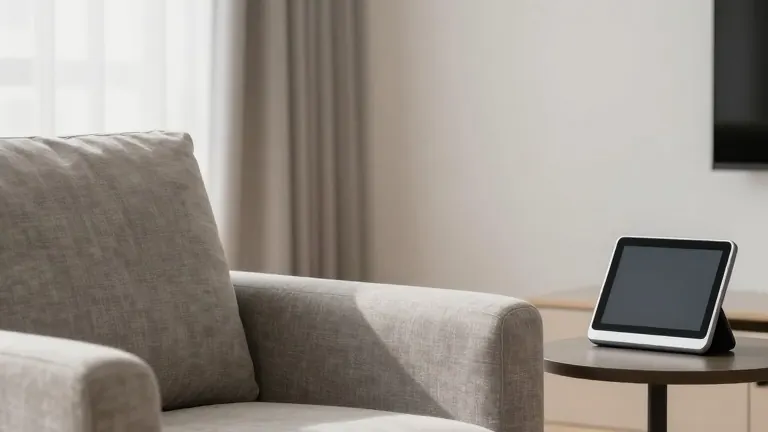
The program supplies patients with tablets for video visits, remote monitoring devices, and internet service. OSF staff trains patients and their caregivers on the technology. Nurses visit at least twice daily, and doctors conduct virtual check-ins.
Melissa Meier, manager of digital care at OSF OnCall, stated that the team treats conditions ranging from infections to chronic illnesses like congestive heart failure and COPD. She noted that moving stable patients home frees up physical beds for those with the most severe needs.
"Our hospitals are full and so any bed that we can free up in our medical centers is another bed that’s open for our sickest patients to be able to get into those beds," Meier said.
Akin Demehin of the American Hospital Association described the model as a promising innovation. He noted that similar programs now operate at more than 350 hospitals across the United States. Patients are typically billed at the same rate as an in-hospital stay.
Demehin cited a 2024 Centers for Medicare and Medicaid study showing lower readmission rates and fewer hospital-acquired infections for patients in the home model. He argued that reduced spending in the post-discharge period benefits taxpayers.
"There’s some positive indications that spending in the post-discharge period is actually lower than it is for those who are hospitalized inside the four walls of hospitals with comparable conditions," Demehin said.
The program's future was recently solidified when Congress approved a bipartisan waiver extending CMS support through September 2030. Previously, the waiver required frequent short-term extensions. Krista Drobac of Moving Health Home said the new timeline allows more hospitals to launch the service with greater confidence.