Residents Stock Supplies as Fears of New Israeli Strikes Rise in Lebanon
With inflation at 17.5 percent and infrastructure damaged, families in southern Beirut are preparing for a potential exit before another wave of attacks begins.
By Jabari Long ·
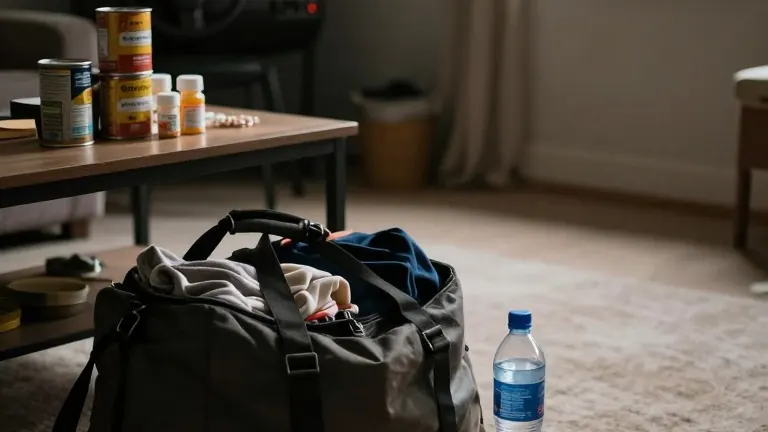
Residents in southern Lebanon and Beirut’s southern suburbs are packing emergency bags and stockpiling food, medication, and fuel in anticipation of renewed Israeli airstrikes. Although a ceasefire held since April, continued drone activity and explosions have left many households uncertain whether they will need to abandon their homes again. The immediate goal for these families is to be ready to leave within hours if fighting intensifies.
Aya, who stayed in Abbasiyeh during Israel’s March offensive despite an attack on a neighboring house, has gathered extra medication for her grandparents to cover potential supply disruptions. She stated she will leave if attacks worsen this time, citing the mental exhaustion of another displacement. She is also weighing the option of leaving Lebanon entirely. This individual preparation mirrors the actions of Ramez, a pseudonym used for security, who lives in Haret Hreik. After a building collapse in July 2024, his family moved to a second home southeast of Beirut and has not returned due to persistent insomnia and fear.
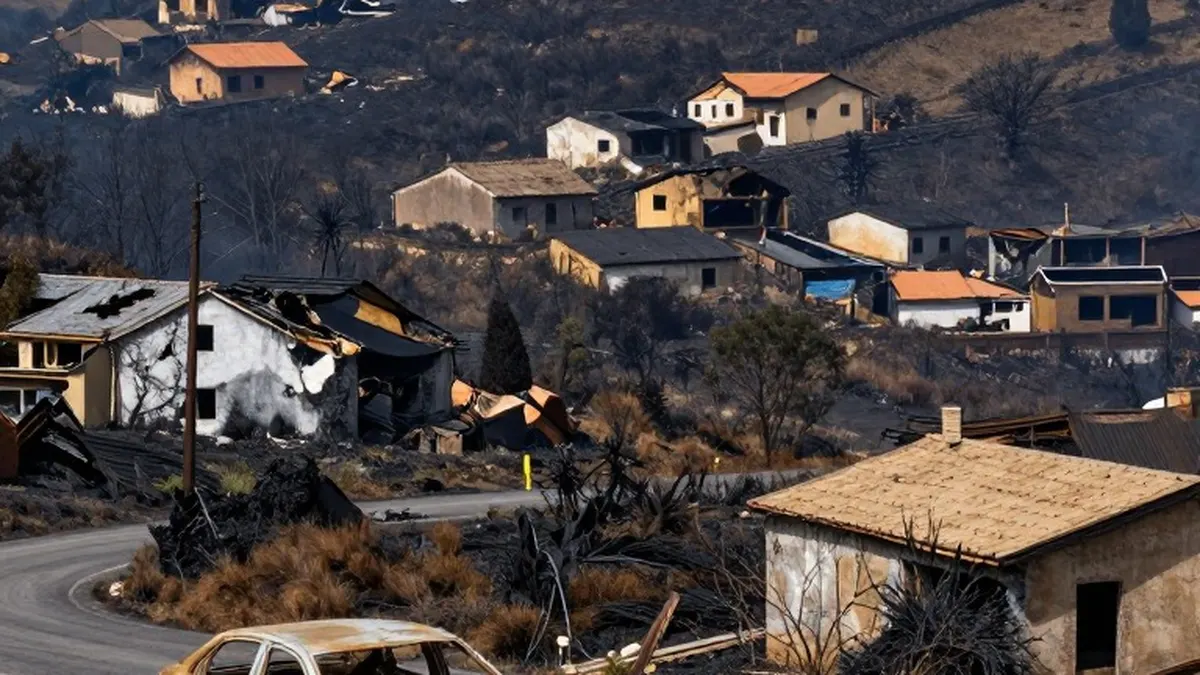
The war between Israel and Hezbollah began in October 2023. Lebanon’s health ministry reports that Israeli attacks have killed approximately 9,000 people, with the highest death tolls occurring during the autumn 2024 and early 2026 offensives. Israel maintains an occupation zone up to 10 kilometers into Lebanon, designated as a Yellow Line. Towns below this boundary remain destroyed, and border areas are rendered uninhabitable, potentially for years.
Tensions have risen following a US brokered framework agreement signed in June. The deal intended for Lebanese troops to enter pilot zones to disarm Hezbollah as Israeli forces withdrew. Israeli officials have accused the Lebanese army of failing to meet these terms, a claim the army denies. Analysts suggest these accusations provide a justification for another bombing campaign. This concern is amplified by reports that President Donald Trump has considered further attacks on Iran, prompting Tehran to threaten retaliation against regional targets.
Financial constraints are limiting the options for displaced families. The World Bank forecast Lebanon’s inflation to reach 17.5 percent in 2026. Analyst Jad Dilati noted that some households rent accommodation elsewhere as a precaution, a cost many can no longer afford after three years of conflict. Karim Safieddine of the Tahrir Institute for Middle East Policy observed that residents have spent months preparing, with some leaving Dahiyeh at night to maintain rapid escape routes.
Political analyst Mohamad Bazzi warned that depleted savings and growing exhaustion could fuel social unrest. He indicated that anger directed at Hezbollah for the ongoing conflict could extend to the wider Shia community, deepening existing sectarian tensions in a country already strained by economic pressure and displacement.