
25 years ago, a card-sized gadget changed how we listen to music
The launch of the original iPod marked a major shift in consumer technology by bringing a full music collection into a pocket-sized device.
By Madison Lewis ·
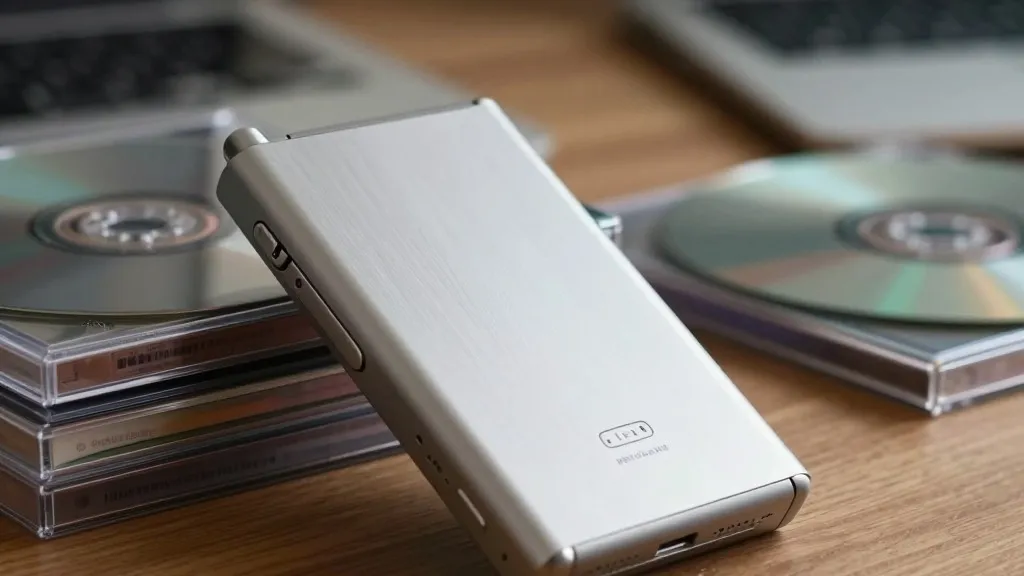
Twenty-five years ago today, the technology landscape was fundamentally altered by the introduction of a device that would define a generation. On October 23, 2001, Apple CEO Steve Jobs revealed a new product that was not a Mac, but rather a breakthrough in digital audio. This announcement marked the debut of the original iPod, a player that quickly became a cultural icon before smartphones eventually rendered it obsolete. At a price of $399, the device promised to fit an entire music library into a pocket, a claim that resonated with consumers during a post-dot-com recovery period for the company.
At the time of the launch, Apple had already regained stability under Jobs' leadership with the success of iBooks and iMacs. The company viewed the portable music market as a vital expansion, noting that while competitors like Sony and Creative had existing players, none had perfected the user experience. Jobs identified hard disk-based players as the optimal entry point for Apple, distinguishing them from CD, flash, and MP3 CD solutions. He argued that the market lacked a clear leader and that a superior product could capture the massive audience of music lovers.
The hardware specifications of the first iPod were driven by a desire for extreme portability. The device measured 2.4 by 4 by 0.78 inches and weighed just 6.5 ounces, making it comparable in size to a standard deck of cards. This compact form factor was achieved through the use of a Toshiba 1.8-inch hard drive that was only 0.2 inches thick. Despite its small footprint, the player offered 5GB of storage, which Jobs stated could hold approximately 1,000 MP3 songs at 160Kbps. He described this capacity as representing the entire music collection for most users.
Performance and connectivity were central to the device's appeal. The iPod featured a rechargeable lithium-polymer battery that provided 10 hours of continuous playback and could reach 80% charge in one hour. It utilized a FireWire 400 connection for data transfer, which Jobs claimed was significantly faster than contemporary USB standards. He noted that transferring a single CD of music took five to 10 seconds via FireWire, whereas USB connections required about five minutes. Filling the device with 1,000 songs would take roughly 10 minutes, compared to five hours on a typical USB player.
User experience was also a priority, with the device featuring a piezoelectric scroll wheel for tactile feedback and single-hand operation. Jobs highlighted the minimal design and the integration with iTunes 2, which launched simultaneously. The Auto-Sync feature allowed users to keep their curated libraries on their Mac perfectly matched with their portable player. The first song demonstrated on stage was 'Building a Mystery' by Sarah MacLachlan, showcasing the player's ability to navigate by artist, playlist, or track.
The iPod remained a staple in Apple's product lineup for over a decade, coexisting with the iPhone after its release in 2007. However, the device's relevance gradually declined as smartphones integrated music playback. The final model, the 7th-generation iPod Touch, was released in May 2019. Although the line was left without updates for several years, it was officially discontinued in May 2022, closing the chapter on a product that had redefined personal audio.
Looking ahead, the legacy of the original iPod serves as a benchmark for consumer electronics design and market disruption. The device's success demonstrated the power of integrating hardware, software, and a cohesive ecosystem to meet user needs. As we mark this 25th anniversary, the impact of that October 2001 presentation remains evident in the way modern devices handle media consumption.