Musk Delays Optimus Handoffs to Address Durability and AI Deficits
Tesla will postpone external deliveries of its humanoid robots until late 2027 while engineers work to resolve hardware wear and software generalization issues.
By Madison Lewis ·
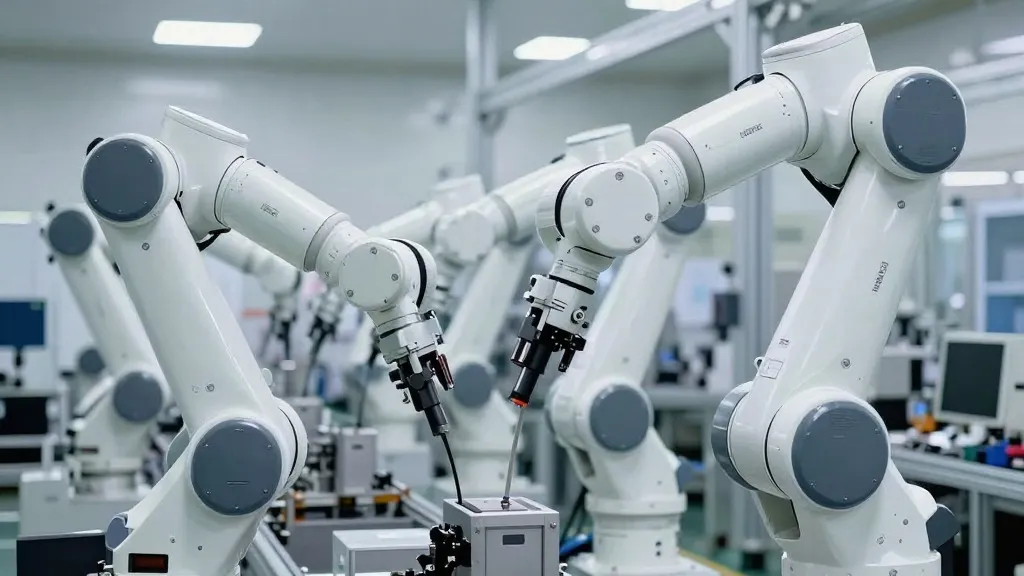
For companies hoping to deploy humanoid robots for dangerous, repetitive, or continuous shifts, the wait continues. On Tesla's Q3 2026 earnings call held on October 22, 2026, Elon Musk confirmed that external deliveries of the Optimus robot will not begin until approximately the end of 2027. The delay is necessary because the hardware and software are not yet ready for commercial deployment.
Musk identified three specific areas requiring resolution before shipping to customers: the AI architecture, the electromechanical design, and overall reliability. A primary concern involves the robot's durability, specifically ensuring the machine does not wear out after a month of use. Consequently, Tesla is targeting late next year to resolve these issues and begin delivering units to outside customers.
The company has initiated early production on a high-volume line in Fremont, a facility previously used for Model S and Model X assembly. While a significant portion of the infrastructure designed to build one million robots annually is installed, Musk indicated it will take at least a year to reach a rate of 20,000 units per week because design changes are still ongoing. Tesla's own shareholder letter characterizes current units as the first production-quality bots manufactured.
During the call, a Tesla engineer identified the hand as a particularly difficult hardware area, citing custom gears that raise reliability concerns. Musk agreed that the hand presents the main obstacle, explaining that fingers must be soft enough to manipulate delicate objects while resisting constant wear, a combination that human skin handles naturally but robots struggle to replicate. On the software side, Tesla plans to address AI architecture problems by building 10,000 to 20,000 robots for an 'Optimus Academy' to practice tasks.
Musk asserted that 'there is no one that is even close to Tesla' regarding general-purpose humanoids. However, competitors are advancing with similar timelines. XPeng activated an automated production line in Guangzhou in September and plans mass production by the end of 2026, with deliveries starting in the first half of 2027. Boston Dynamics began producing its electric Atlas in January and has committed to its 2026 deployments, including one for Google DeepMind.
The challenges facing Tesla are not unique to the industry. XPeng has not yet shipped to paying customers, and Boston Dynamics has opted for sturdy grippers rather than human-like dexterity to avoid the specific problems holding back Tesla's hardware. Tesla plans to release a video within a month or two showing Optimus performing tasks that are not pre-programmed, aiming to demonstrate capabilities beyond scripted routines.
Musk previously stated in 2024 that Tesla would build Optimus for internal use in 2025 and high volume for others in 2026. In January 2025, he projected building 10,000 units that year, though he later admitted none performed useful work by year-end. The current target for external deliveries remains late 2027, contingent on solving the durability and AI generalization issues.