Tesla Sets Year-End Target for First Private Cybercab Sales
Tesla executives confirmed on the recent earnings call that the autonomous two-seater will begin reaching private owners before December, though most initial units are reserved for the company's robotaxi fleet.
By Layla Petrov ·
Tesla has finally put a specific timeline on the sale of its Cybercab, ending months of speculation about when the fully autonomous vehicle would be available to the general public. During the company’s third-quarter 2026 earnings call held on October 21, Vice President of Engineering Lars Moravy announced that the company is targeting deliveries to customers by the end of this year. This update provides a definitive date for when individuals might be able to purchase the unique two-seater, which has been a focal point of interest for fans of the brand since its unveiling.
Moravy clarified that while production is actively underway at Gigafactory Texas, the current flow of vehicles is prioritized for Tesla’s internal use. He noted that every unit coming off the line at this stage is being directed into the company’s own Robotaxi fleet. This strategy allows Tesla to refine its operations before opening the doors to private ownership. The company plans to scale up its efforts gradually as it gains more experience with the logistics of delivering these vehicles and managing them outside of direct corporate control.
The approach to customer delivery is expected to be cautious. Moravy explained that initial sales will start small, serving as a testing ground for the new ownership models and fleet management systems. As operations expand, Tesla intends to deliver these fully designed autonomous vehicles to a broader customer base. The Cybercab is positioned as the first of its kind in this category, marking a significant shift in how Tesla interacts with its buyers regarding autonomous technology.
CEO Elon Musk reinforced the idea that private ownership of the Cybercab will not be the primary focus in the short term. He described the vehicle primarily as a "transport-as-a-service" offering, distinguishing it from traditional personal vehicles like the Model 3, Model Y, or the upcoming Roadster. According to Musk, the vast majority of Cybercabs will remain owned by Tesla, functioning as part of the robotaxi network rather than sitting in individual driveways.
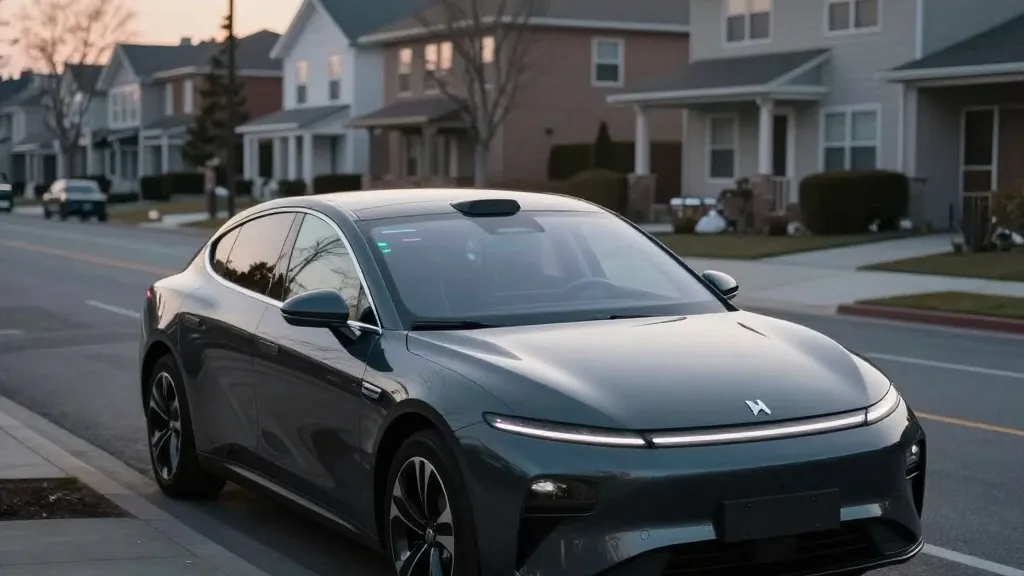
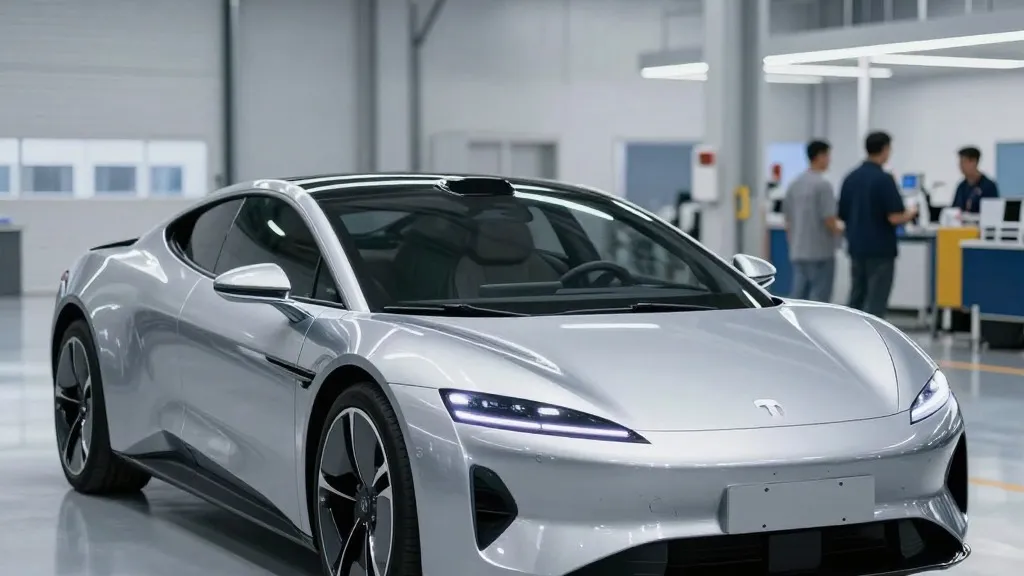
The Cybercab itself is a distinct vehicle in Tesla’s lineup, featuring a two-seater design without a steering wheel or pedals. It relies entirely on Tesla’s Full Self-Driving suite to operate. Production of the vehicle began in February of this year, and early units have already been integrated into the Robotaxi service. Public rides using these vehicles launched in early September, marking the beginning of the company’s unsupervised autonomous ride-sharing operations.
Regarding pricing, Tesla has previously indicated an aim to sell the Cybercab for approximately $30,000. This price point is intended to make the autonomous vehicle accessible while still maintaining margins, particularly given the vehicle’s specialized nature. The lack of manual controls underscores the vehicle's dependency on the company’s software and hardware for all driving functions, a stark contrast to the driver-assist features found in other Tesla models.
Looking ahead, Tesla’s Head of AI, Ashok Elluswamy, provided additional context on the timeline for autonomous capabilities. He indicated that unsupervised Full Self-Driving is expected to ship to consumer cars during the second quarter of 2027. This suggests that while the Cybercab will be available earlier, the broader fleet of consumer vehicles will receive similar autonomous features a bit later in the year.
There are still hurdles to overcome before widespread deliveries can begin. Early buyers or fleet operators may find that the autonomous operation of their vehicles remains geographically restricted. These limitations are largely due to the pace of regulatory agencies adapting to the new technology. Tesla is working through these regulatory challenges to ensure that the vehicles can operate safely and legally in various regions.
The shift toward a service-based model for the Cybercab represents a strategic move for Tesla as it expands its autonomous vehicle offerings. By retaining ownership of most units, the company can maintain tighter control over the user experience and data collection. This approach allows Tesla to iterate on its technology rapidly while providing a convenient transportation option for customers who may not want the responsibilities of car ownership.
As the year draws to a close, attention will turn to whether Tesla can meet its ambitious delivery targets. The transition from internal fleet use to private sales will be a critical test of the company’s operational capabilities. For now, the announcement provides a clear roadmap, signaling that the era of private Cybercab ownership is closer than previously thought, even if the majority of these vehicles will continue to roam the roads as part of the robotaxi network.
More Business · Watch Your Wallet · Report a business · Got a Story?