Tesla Narrows Scope of Unsupervised Driving Rollout to Limited Geofenced Zones
The automaker has rescheduled its customer-facing autonomous driving feature for mid-2027, restricting its functionality to specific areas where its robotaxi service already operates.
By Jabari Long ·
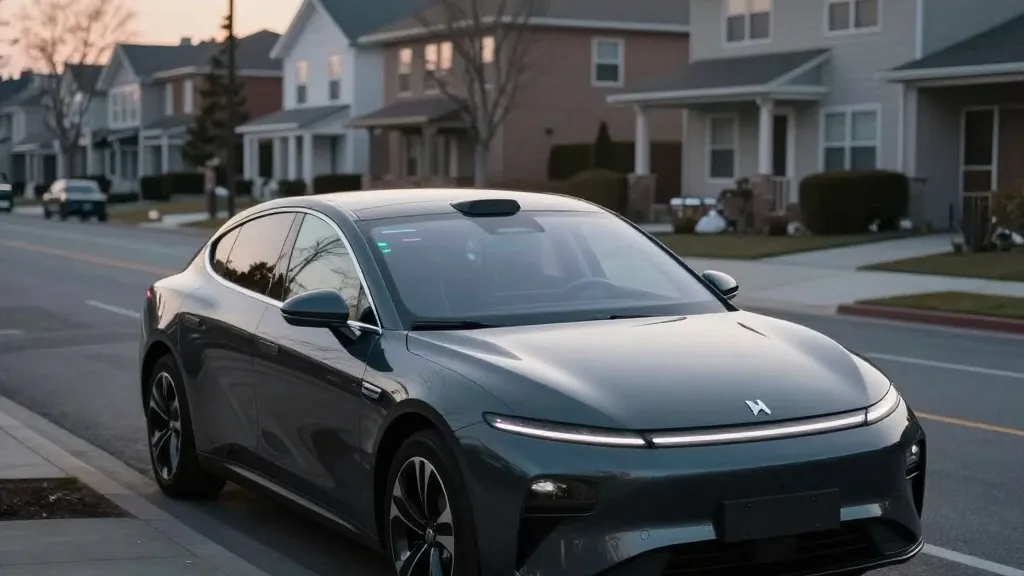
Tesla has provided a revised timeline for the deployment of its unsupervised Full Self-Driving capabilities in consumer vehicles, a development that marks the latest adjustment to a long-standing promise made to buyers over the past decade. During the company’s Q3 2026 earnings call held on October 21, executives confirmed that the feature is now targeted for release in the second quarter of 2027.
AI chief Ashok Elluswamy clarified the specific nature of this update, describing it not as a standalone software feature allowing owners to travel anywhere, but as an integration of private vehicles into Tesla’s managed robotaxi fleet. This distinction means that unsupervised driving will only be possible within the specific geofenced areas where Tesla’s robotaxi service is already active, rather than across a broader geographic range.
The scope of these operational zones remains relatively limited. Currently, Tesla’s robotaxi service functions in six U.S. metropolitan areas, but the service areas within those cities cover only small slices of the total geography. For instance, the Miami zone primarily encompasses West Miami and a strip extending toward Doral and Sweetwater, while Orlando and Tampa launched with similarly constrained boundaries in July. Within these zones, the service generally adheres to low-speed routes and avoids highways and more complex driving environments.
Operational constraints also apply in certain regions due to regulatory requirements. In the Bay Area, the service is not yet fully unsupervised because California regulations mandate a safety driver in every vehicle, a requirement Tesla adheres to while it continues to navigate data release processes with the state’s Department of Motor Vehicles. Furthermore, the scale of the current robotaxi operation is modest, with third-party tracking indicating that only dozens of fully driverless Teslas are on the road, despite the company reporting nearly two million cumulative unsupervised miles by the end of the third quarter.
This approach contrasts with the marketing pitch that has accompanied the Full Self-Driving purchase for years, which suggested a future where a software update would allow the car to drive itself anywhere. Previous statements by CEO Elon Musk in 2024 and 2025 had suggested unsupervised personal use would be available in certain geographies by the end of 2025. However, the current plan narrows the product definition significantly, requiring owners to use their cars within Tesla’s controlled network terms.
Looking ahead, Elluswamy identified safety as the primary bottleneck for expansion, noting that the company is limiting operations to lower-speed roads to manage risk. While he anticipates that these safety challenges will be resolved by the following year, he acknowledged uncertainty regarding the exact timeline. For shareholders and customers, the shift represents a move from a universal autonomous driving promise to a more incremental, zone-based service model.
More Business · Watch Your Wallet · Report a business · Got a Story?