Tesla's Profitability Slides Despite Margin Recovery as Heavy Investment Outlays Deepen
The electric vehicle maker reported stable revenue and improved margins, yet significant spending on AI and robotics caused operating income to drop sharply in the third quarter.
By Layla Petrov ·
The electric vehicle industry continues to navigate a period of intense financial restructuring. Tesla reported its third quarter results after market close on Tuesday, revealing a complex mix of recovering margins and declining profitability.
The company generated $28.05 billion in revenue, a figure that remained flat compared to the same period last year and aligned closely with analyst expectations. While non-GAAP earnings per share reached $0.48, surpassing the consensus estimate, the figure represented a four percent decrease from the prior year. On a GAAP basis, net income fell by 43 percent to $787 million. This decline was driven primarily by a 56 percent drop in operating income, which reached $718 million. The operating margin improved to 2.6 percent from 1.4 percent in the second quarter, yet it remained well below the 5.8 percent recorded a year earlier.
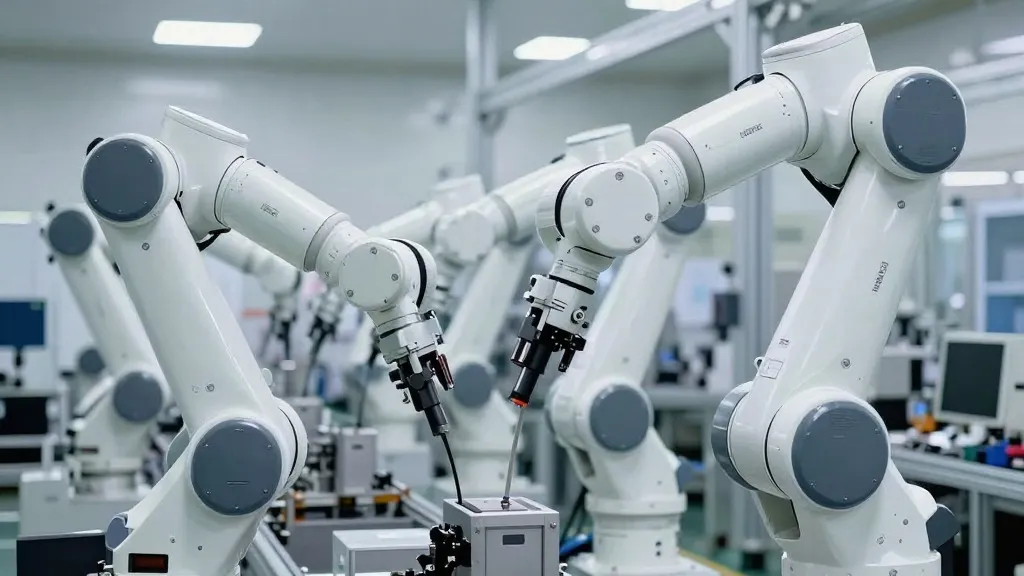
The financial pressure stems from aggressive investment in future technologies. Operating expenses surged 39 percent to $4.78 billion. Research and development costs alone increased by 69 percent to $2.76 billion, reflecting heavy spending on what the company terms Super Intelligence, the Optimus robot, and the Cybercab. Capital expenditures also more than doubled year-over-year to $4.73 billion. Despite these outlays, free cash flow remained positive at $1.53 billion, aided by a $288 million unrealized gain on bitcoin holdings.
Automotive gross margin excluding regulatory credits improved to 18.1 percent, up from 16.3 percent in the previous quarter. Management attributed this improvement to a better product mix and increased subscription revenue for Full Self-Driving. However, energy storage revenue declined by 16 percent to $2.88 billion due to tariff-related refunds, even as deployment volumes rose. Conversely, the services segment saw strong growth, with revenue up 33 percent and gross profit reaching a record high.
In its shareholder letter, Tesla cited battery availability as the primary constraint on vehicle volume, noting a four-year high in the passenger vehicle backlog. Deliveries totaled 486,532 vehicles, a 2.1 percent decrease from the previous year. Active FSD subscriptions reached 1.74 million, a 67 percent increase, while the Robotaxi service accumulated nearly two million unsupervised miles. A stock forum participant noted the ongoing gap between current growth rates and the ambitious expansion targets previously promised by company leadership.
The company has yet to update its full-year capital expenditure guidance, which had projected spending of more than $25 billion. With only $13.01 billion spent in the first nine months, Tesla would need to double its spending in the final quarter to meet that target. Management is scheduled to discuss these financial outcomes and future strategies on an earnings call later today.
Investors will likely focus on how the company balances its heavy investment cycle against its shrinking profit margins. The next few months will be critical in determining whether the current spending pace is sustainable or if the company will adjust its long-term financial plans.
More Business · Watch Your Wallet · Report a business · Got a Story?