Volunteers offer free rides to Kansas City voters facing transit cuts
A local group launched a door-to-door service to help residents reach early voting sites before Monday's deadline.
By Layla Petrov ·
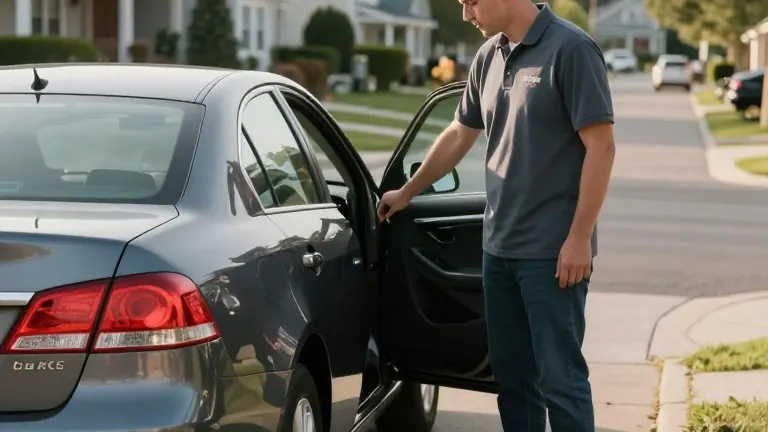
Volunteers in Kansas City are providing free transportation for residents trying to cast ballots before the final early voting deadline on Monday.
The initiative, called Roll to the Polls, operates through Boots on the Ground Midwest’s Midtown Hub. The program offers door-to-door rideshare services to connect eligible voters with their polling locations.
The need for the service emerged from a combination of local transit changes and high voter interest. Hub co-captains Anna Nelson and Brittany Melugin identified three main barriers for voters. First, the number of early voting locations has decreased. Second, local bus routes have been reduced. Third, public transit is only fare-free on Election Day itself, leaving voters to pay for rides during the early voting period.
Melugin explained that the bus route cuts make travel more difficult for people who previously relied on free transit. Nelson added that while voters can ride for free on Tuesday, those casting ballots earlier must cover their own costs. The group decided that a free early service would help remove that financial hurdle.
Organizers initially planned to use centralized pickup points where groups could meet. They changed the plan after realizing individual home pickups would be more convenient. Voters now provide their addresses to the hub, and coordinators arrange specific rides, similar to a private rideshare service but at no cost to the rider.
Turnout at early voting centers has reached record levels. High-profile national races and local disputes, including Kansas City redistricting, are driving participation. Nelson stated that many people who rarely vote are coming out this year. She attributed this to residents feeling personally invested in the outcome of the local issues.
The volunteers are also working to correct misinformation about voting locations. They produced informational flyers with verified early polling sites and an interactive Google map. This resource helps voters avoid outdated online listings, such as those that still direct people to former sites like Union Station.
Melugin said the goal is to make finding voting information and getting there as simple as possible. The flyers allow voters to scan a code to find a location and get directions immediately.
With early voting set to end on Monday, the captains are urging residents to vote before Tuesday. Melugin suggested that early voting helps avoid potential emergencies and long lines. She noted that the community response has been positive, with residents coordinating directly to help neighbors who lack transportation reach the polls.