115,000 visits: University dental clinics serve Kentucky patients at half the private cost
The University of Louisville School of Dentistry treats patients in 104 counties while training the state's next generation of oral health professionals.
By Madison Lewis ·
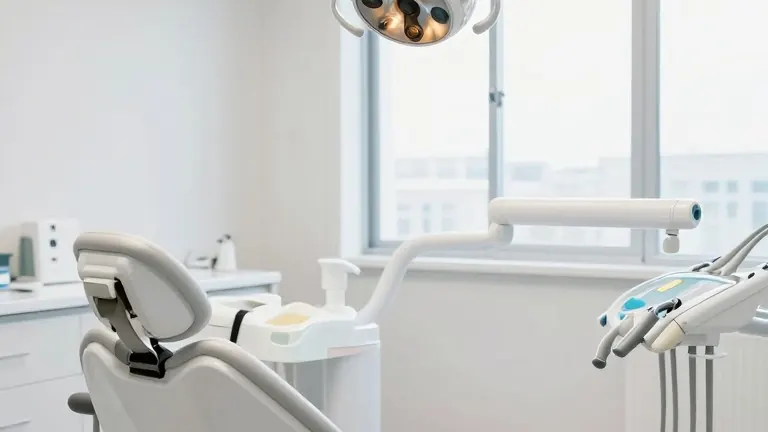
More than 115,000 patients walked through the doors of University of Louisville dental clinics during the 2025-26 fiscal year. These visits came from individuals residing in 104 of Kentucky's 120 counties. The high volume reflects a dual mission: delivering low-cost care to the public and providing clinical experience to dental students.
The financial difference between the university's student clinics and private practices in the region is substantial. Services in the student clinics typically cost up to 50% less than those at private offices. This price gap makes routine and necessary dental work accessible to many residents who might otherwise delay treatment. The school has operated since 1887, combining education and patient care in a single model.
The clinics are located primarily in Louisville, with additional sites in Elizabethtown, Owensboro, Paducah, and Shelbyville. There are more than a dozen locations in total. Patients can receive general dentistry services, which include exams, X-rays, cleanings, fillings, crowns, dentures, and basic root canals. Specialized treatments such as pediatric dentistry, orthodontics, and oral surgery are available at certain faculty practice locations.
Izzy Suarez, a fourth-year dental hygiene student, noted the impact of these lower prices on local communities. She stated that the ability to serve underserved groups is a major draw for students. "I really like how we're able to serve underserved communities, since we're able to offer discounted care since we're students," Suarez said. She added that this community focus has always been a significant part of her professional motivation.
Lucille Rubenstein, another fourth-year dental student, emphasized the school's role in the Louisville area. The university provides comprehensive and affordable dental care while educating the next generation of dentists. Rubenstein also highlighted the school's commitment to patients with disabilities and special health care needs. Accommodations for these patients can include extra appointment time, breaks, adjusted communication methods, and caregiver involvement.
Rubenstein explained that small adjustments often improve the patient experience. One technique she mentioned is "tell-show-do," where clinicians explain and demonstrate a procedure before performing it to reduce anxiety and build trust. She established the Special Care Dentistry Association student chapter at the school to help students feel more confident interacting with individuals with disabilities.
Students gain clinical experience early in their four-year training program. After their first year, they assist more experienced students. They begin treating their own patients under faculty supervision during their third and fourth years. Lily Schapmire, a second-year student, said that assisting upperclassmen provides valuable patient interaction. "It has been so nice to get the patient interaction and the hands-on experience, because it really reminds me why I chose dentistry and why I fell in love with dentistry," Schapmire said.
New patients receive an initial evaluation to determine their dental needs. Appointments typically include X-rays, a review of medical history, and a discussion about treatment goals. Rubenstein listed cavities, gum disease, tooth pain, and missing teeth as the most common concerns. Patients can call 502-852-5096 to schedule an appointment at a student clinic or 502-852-5401 for faculty practice.