Nanotyrannus Skeleton 'Jodi' Sells for $47.3 Million in New York Auction
The rare dinosaur specimen, recently classified as a distinct genus, surpassed Sotheby's estimate by more than five times.
By Layla Petrov ·
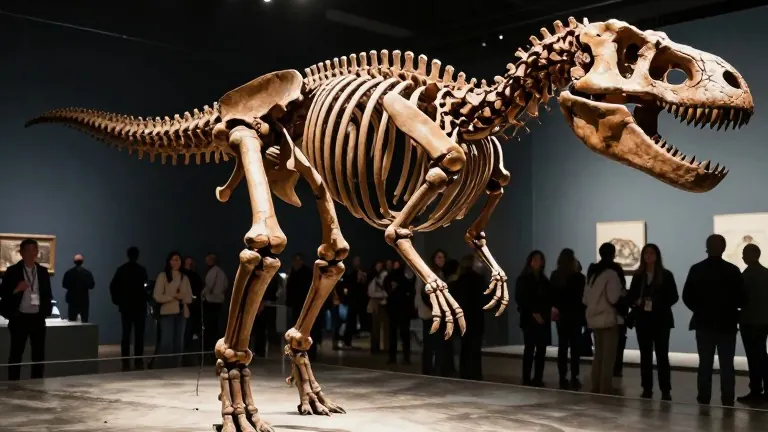
A fossil that resembles a small Tyrannosaurus rex just set a new benchmark for private collections. The specimen, nicknamed Jodi, changed hands in Manhattan on Tuesday for a record-breaking sum.
The skeleton sold for $47.3 million to an anonymous buyer. Sotheby's had projected a much lower price range of $6 million to $9 million. The final bid came after a competitive session that lasted about 12 minutes. Five other bidders participated via phone and the internet before the gavel fell.
This sale makes Jodi the second most expensive dinosaur fossil ever auctioned. The current record holder is a T. rex skeleton known as Gus. That specimen sold at the same auction house this summer for $50.1 million. The gap between the two records is less than three million dollars.
The buyer has chosen to keep their identity private for now. The skeleton has been displayed at Sotheby's upper Manhattan headquarters since earlier this month. It stands 9 feet 6 inches tall and stretches nearly 20 feet long. Experts estimate the specimen is almost 70 percent complete.
Jodi represents a Nanotyrannus, a creature that lived about 67 million years ago during the Cretaceous period. These animals were roughly half the length of adult T. rex dinosaurs. They possessed longer forelimbs, larger hand claws, and more slender, blade-like teeth than their larger relatives. Research published last year confirmed that Nanotyrannus is a distinct genus, not just a juvenile T. rex. Only three such skeletons are known to exist.
The fossil is named after Jodi Pierson, a Montana rancher who found it on her property in 2019. A team of professional fossil hunters later excavated the site. Their work was featured in the Discovery Channel documentary series Dino Hunters in 2020. Cassandra Hatton, Sotheby's head of science and natural history, thanked the team for their role in preserving the specimen.
Some scientists argue that major fossils should remain in public museums. They believe private sales limit researcher access and public viewing. The current owner will now decide where the skeleton is displayed and studied.
More Business · Watch Your Wallet · Report a business · Got a Story?