Federal Reserve to Hold Rates Steady Amid Inflation Spike
Chairman Kevin Warsh faces pressure to explain the central bank's pause as consumer prices accelerate and midterm elections approach.
By Madison Lewis ·
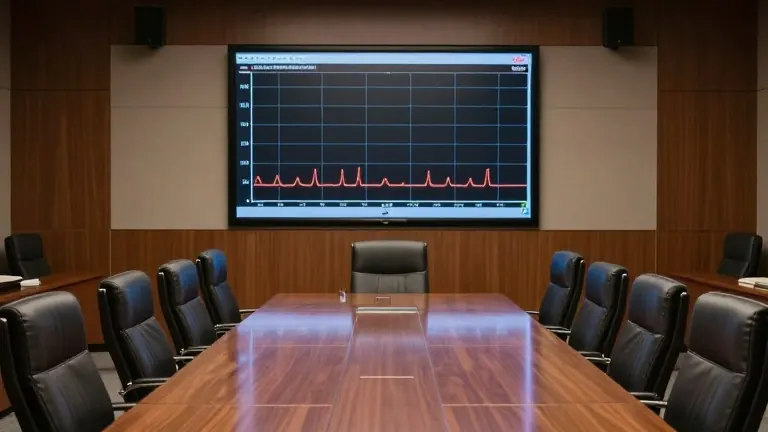
The Federal Reserve is expected to leave its benchmark interest rate unchanged on Wednesday. The central bank will hold the rate at 3.9% despite a recent acceleration in inflation. This decision comes just under a week before the midterm elections.
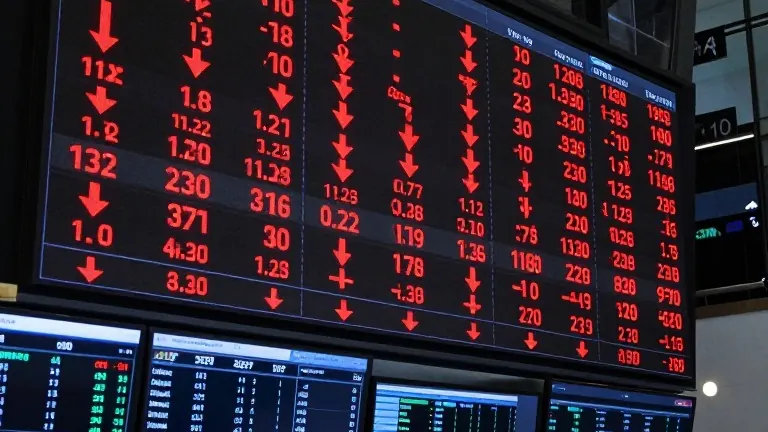
Inflation has risen sharply in recent months. Consumer prices increased by 3.7% year over year in September. This figure is well above the rate of 2.4% recorded in February, before the Iran war began. The conflict has driven up oil and gas prices, adding to consumer costs for gas, groceries, and clothing.
Chairman Kevin Warsh will announce the decision and hold a press conference. He will likely explain why the Fed is pausing after raising rates in September. The central bank increased its key rate from 3.6% to 3.9% last month. That was the first hike in three years. Warsh must now justify the hold while inflation remains above the 2% target.
President Donald Trump criticized the Federal Reserve for the September rate hike. He blamed the rate-setting committee rather than Warsh, whom he appointed. Trump’s comments add political weight to the current policy decision. The timing of the announcement, so close to the election, has made the cost of living a central issue for voters.
Higher interest rates are already affecting the housing market. The average 30-year mortgage rate hit 7.4% earlier this month. That is a three-year high. According to Oxford Economics, higher mortgage costs have made home buying unaffordable for five million more Americans since the start of the year. The Fed’s pause may be an attempt to prevent further strain on households already dealing with elevated borrowing costs.
Some inflation drivers are not easily controlled by interest rate changes. The rapid expansion of artificial intelligence infrastructure and high energy prices continue to push costs up. Aditya Bhave, head of U.S. economics at Bank of America, stated that economists and the Fed have become complacent about above-target inflation. He warned that rising diesel costs could increase shipping prices for nearly every type of good.
Bhave expressed concern about the central bank’s response. “Unless the Fed takes this problem more seriously and stops essentially making excuses about inflation, I think we’re not going to get back to 2% until the next recession,” he said. His comments reflect a view that the Fed needs to act more aggressively to cool demand.
The Fed will release its preferred inflation measure, the personal consumption expenditures price index, on Thursday. Analysts forecast this index jumped to 3.6% in September, up from 3.4% in August. Core prices, which exclude food and energy, are expected to rise 3.1%. These numbers will provide further context for the Fed’s decision-making process.
The U.S. economy remains strong despite high inflation. Unemployment stands at 4.2%, and economic growth is robust. The government will report third-quarter growth on Thursday. FactSet forecasts growth will reach 3%, up from 2.2% in the second quarter. Many economists argue that solid growth indicates the economy can withstand higher interest rates to combat inflation.
More Business · Watch Your Wallet · Report a business · Got a Story?