
New Congress Faces Steep Hurdle in Lowering Fuel Prices
Experts estimate it could take up to a year for gas and diesel to return to prewar levels even if the war in Iran ends immediately.
By Layla Petrov ·
Voters punished the president's party in large part because the war in Iran drove fuel costs to record highs, but experts say the new Democratic-controlled Congress cannot quickly reverse those prices. The war throttled the Strait of Hormuz, a waterway that previously carried about one-fifth of the world's oil. As a result, the price of a barrel of Brent crude jumped from about $70 in late February to roughly $95 today, after spending months near $110.
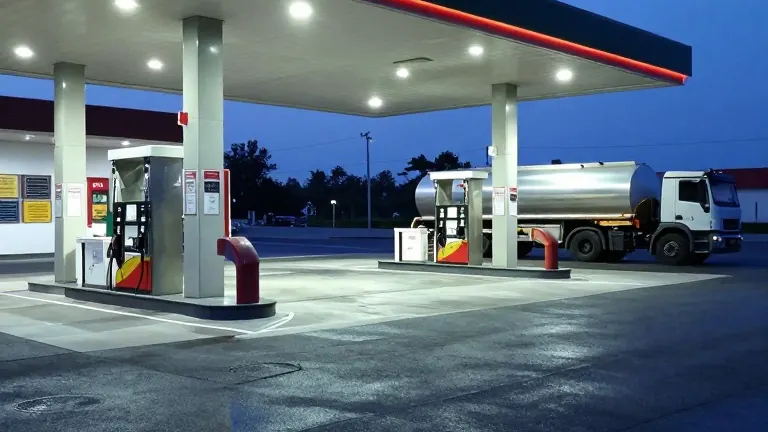
Those oil prices have pushed the average cost of a gallon of gasoline to $4.12, about $1 more than a year ago. Diesel hit a record high of $6.52 per gallon in September. According to AAA, the price of diesel remains about $2.50 higher than it was at this time last year. These soaring costs helped major oil companies post large profits in the past two quarters while raising the price of nearly everything in a nation heavily reliant on trucking.
The new members of Congress will not be sworn in until January. Until then, the president retains full executive authority over military strikes, blockades, and sanctions. President Trump has sent mixed signals about the conflict. He warned Gulf Arab countries to prepare for a new military campaign after the midterms and ordered strikes on Qeshm island in the Strait of Hormuz on November 2. However, Vice President JD Vance posted on social media the day after the election that the war was the reason the party lost.
Senate Minority Leader Chuck Schumer said Democrats intend to make escalation costly by attaching conditions to war spending. Claudio Galimberti, chief economist at Rystad Energy, noted that a unified Democratic Congress can pass resolutions and hold back confirmations of key officials. Nevertheless, the president holds veto power over legislation.
If a deal to end the war is announced, crude prices could drop $15 or $20 per barrel within two or three days, according to Jaime Brito, executive director of refining and oil markets for Dow Jones Energy. However, getting that cheaper oil to consumers will take time. Ships must return to their normal routes, a process that Jorge León, head of geopolitical analysis at Rystad Energy, warns could cause traffic jams. The crude then must be refined and distributed.
In the most optimistic scenario, Brito estimates it could take three months for gasoline and diesel prices to hit prewar levels. León believes it could take six months for crude prices to stabilize, plus another one or two months for retail fuel prices to follow. Both experts warn that hiccups in the supply chain could stretch the recovery timeline to a full year. They also note that the war in Ukraine and high freight and insurance costs for ships detouring around the strait will complicate the price drop.
Brito concluded that a definitive end to the conflict is necessary for prices to normalize. He cautioned that expensive gasoline could become the new normal if the situation persists.