Talarico wins Texas Senate race as Democrats seize upper chamber
Democrats flipped key states including Georgia and North Carolina, ending the Republican hold on the Senate and setting up a split government in January.
By Jabari Long ·

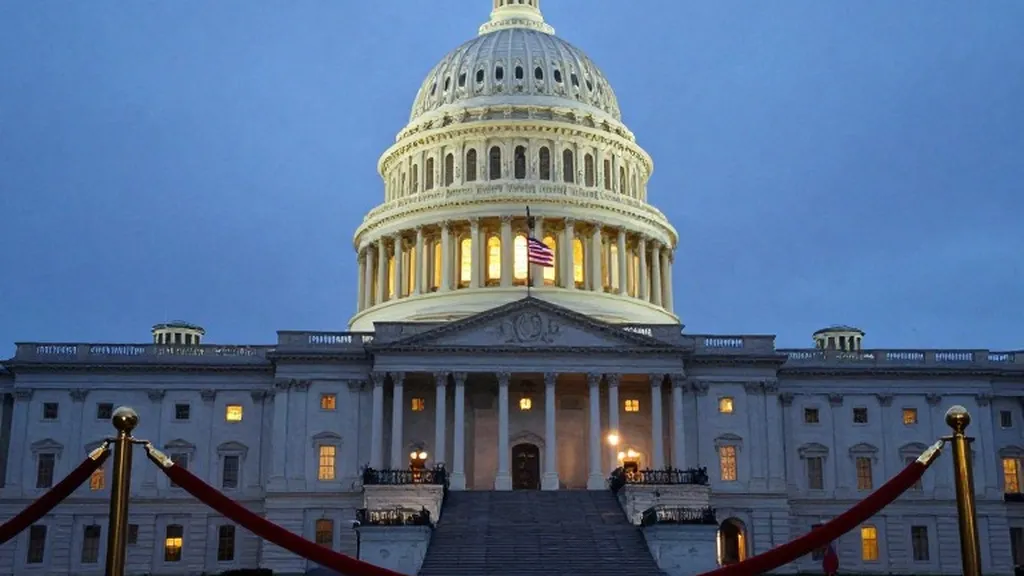
Democrats took control of the Senate on Tuesday night after winning races in deep red states. The party gained enough seats to unseat the Republican majority before the 120th Congress begins in January. This shift ends the Republican hold on the federal government that began with President Donald Trump's return to power.
The party secured five confirmed pickups by the start of Wednesday. Senate Minority Leader Chuck Schumer led the effort to claim the chamber. Republicans lost their thin 53-seat majority. Races in Michigan, Minnesota, and Alaska were still undecided, but Democrats would keep the Senate even if they lost all three of those contests.
James Talarico, a state senator, defeated Texas Attorney General Ken Paxton in a decisive vote. Talarico told a crowd of supporters that the group had just taken back Texas. The victory was part of a wider wave of wins that included Georgia, North Carolina, South Carolina, Kansas, and Iowa.
In Georgia, Sen. Jon Ossoff won his seat against Rep. Mike Collins. The results marked a loss for several candidates that Trump had handpicked for the race. Many of those contests looked difficult for Democrats until the final weeks of the midterm cycle.
With a majority in both the House and the Senate, the new leadership will likely block Trump's legislative agenda. A split government means the two parties will have to negotiate on every major bill. The president's plans for the new session face immediate structural hurdles.
Republicans began assigning blame for the losses immediately. Critics pointed to the quality of candidates in close races and the leadership of the Senate campaign arm. Sen. Tim Scott, the Republican National Senate Committee chairman, faced scrutiny after losing his home state of South Carolina. One GOP operative noted the loss of his home state as a major factor.
The question of who will lead Senate Democrats remains open. Many new members have not committed to supporting Schumer. Some argued that the caucus needs a change in leadership to reflect a new generation of lawmakers. The group will decide on its direction as it prepares for the new session.