SpaceX declines military contracts while PLD Space finalizes Miura 5 rocket
The US Space Force offered three launch deals to SpaceX, but the company passed, as Spanish firm PLD Space moves closer to its first Miura 5 flight.
By Madison Lewis ·
SpaceX has formally turned down three launch contracts offered by the US Space Force, a decision that marks a notable shift in its relationship with the military. The company communicated its refusal to the government, effectively closing the door on these specific opportunities despite the potential revenue. This move comes at a time when commercial launch providers are increasingly competing for government work, making SpaceX's choice to prioritize other aspects of its business strategy a significant development in the industry.
The rejection of the military contracts is one of two major updates involving SpaceX this week. On the civil side, a NASA safety panel issued a report indicating that the company's Starship vehicle may require as many as 22 refueling operations in orbit to support a lunar landing. This high number of required tankers highlights the technical complexity and logistical challenges associated with sending large payloads to the Moon. The safety panel's assessment underscores the rigorous engineering hurdles that remain before the vehicle can be certified for such missions.
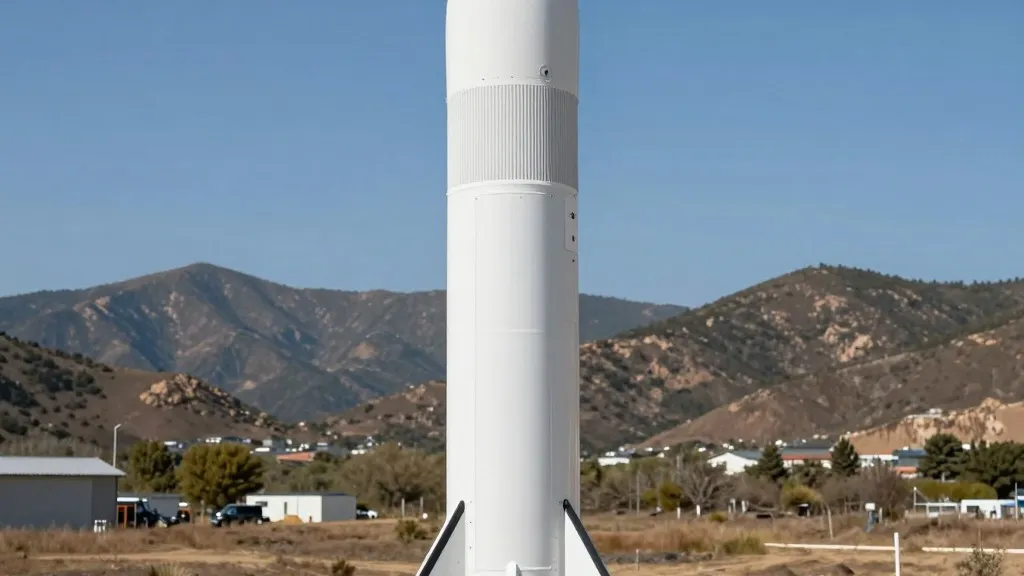
While US attention is focused on SpaceX, international launch activities are also progressing. PLD Space, a Spanish rocket company, announced that its Miura 5 rocket is nearing final integration. The vehicle is scheduled for its inaugural launch next year, representing a key milestone for the European small-lift sector. PLD Space has already manufactured three Miura 5 rockets, with the current unit being the first intended for an actual orbital flight.
CEO Raúl Torres stated that the production of the three vehicles has allowed the engineering teams to work continuously across different stages of production. The company has applied lessons learned from qualification campaigns directly to the launch vehicle. This iterative approach has helped refine the manufacturing process and ensure that the systems are robust. The focus is now on completing the final steps before the rocket is ready for its debut.
One Miura 5 second stage is currently fully integrated to begin system-level testing. This stage is located at PLD’s test facility in Teruel, where it is undergoing a qualification campaign. The testing includes a wet dress rehearsal and a static hot-fire test, which are critical steps to verify that the engine and structural components can withstand the stresses of flight. These tests are conducted under representative operating conditions to simulate the actual demands of a launch.
PLD Space has set a target for the first flight of the small-lift vehicle to occur before mid-2027. This timeline aligns with the company's broader goals for expanding its launch capabilities in Europe. The successful completion of the current testing phase is essential to meeting this deadline. Any delays in the qualification process could push the launch date further into the second half of the year.
In Canada, Reaction Dynamics is seeking to raise $350 million to expand its workforce and accelerate its development roadmap. The company currently has 68 employees and aims to grow that number to more than 350. This funding is intended to support the development of its Aurora rocket, which is designed to reach orbit by 2028. Reaction Dynamics is one of three prominent Canadian launch startups working to establish a domestic launch market.
Beyond the Aurora vehicle, Reaction Dynamics has announced plans to develop a medium-lift rocket named Borealis. The company hopes to debut this larger vehicle by 2031. This dual-vehicle strategy allows the firm to serve different market segments, from small satellite deployments to heavier payloads. The expansion of staff will be crucial for managing the simultaneous development of both rockets.
The recent developments across these three companies illustrate the diverse strategies being employed in the global launch market. SpaceX is curating its contract portfolio, PLD Space is finalizing its first orbital vehicle, and Reaction Dynamics is scaling its operations to meet ambitious timelines. Each company faces unique challenges, from technical integration to fundraising, but all are moving forward with concrete plans for the near future. The coming months will be critical for determining if these targets are met.
As the industry continues to evolve, the balance between military and commercial priorities remains a key theme. SpaceX's decision to decline the Space Force contracts suggests a focus on its own strategic goals, possibly prioritizing the Starship program or other high-profile commercial launches. Meanwhile, the progress of PLD Space and Reaction Dynamics indicates that the small and medium-lift sectors are becoming increasingly competitive. Stakeholders will be watching closely to see if these companies can deliver on their promises in the coming year.