Uganda Shifts Ebola Quarantine Costs to Returning Citizens
The health ministry mandated that travelers from the Democratic Republic of Congo pay for 21 days of isolation following two positive tests in East and West Africa.
By Jabari Long ·
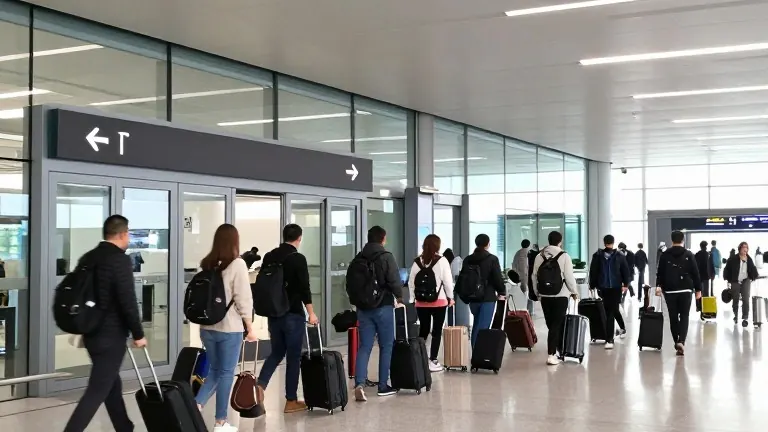
Ugandan citizens returning from the Democratic Republic of Congo must now pay for their own 21-day quarantine. The Health Ministry announced the directive on Sunday, placing the financial burden of isolation on individual travelers rather than the state budget.
The policy applies to anyone arriving from the DR Congo, which is currently battling its deadliest Ebola outbreak. Since May, the virus has killed more than 4,800 people. The new rules also bar travelers from the DR Congo from transiting through Ugandan territory. Officials have intensified screening at Entebbe International Airport and all land border crossings, adding checks at specific road checkpoints.
Health Minister Chris Baryomunsi stated that only essential travelers from the DR Congo will be admitted. He described the new protocols as intense public health measures designed to keep Uganda free of Ebola. Baryomunsi noted that the country shares a long border with the DR Congo, where transmission continues and communities remain linked through trade and family ties.
The stricter controls follow the confirmation of two positive Ebola cases in neighboring countries. A Kenyan businessman who had business interests in the DR Congo tested positive after passing through Entebbe airport. He died two days after arriving in Nairobi. A second case was identified in Nigeria. The patient is the Ugandan-born wife of a Swiss diplomat who traveled to Kampala for a holiday. Ugandan officials initially said she only transited through the country, but the ministry is now working with Nigerian authorities to trace her full travel history and potential exposure routes.
Kenya has since confirmed eight additional cases. A second woman, a relative of the deceased businessman, died over the weekend. Diana Atwine, the Health Ministry's permanent secretary, said CCTV footage showed no physical interaction between the Kenyan and Nigerian patients while they were in Uganda. The ministry reported that 60 people monitored after contact with the Kenyan patient in Uganda have all been discharged.
Uganda previously recorded 20 cases and two deaths early in the current outbreak. The World Health Organization declared the country free of the disease in August. Jean Kaseya, head of the Africa Centres for Disease Control and Prevention, confirmed the identity of the Nigerian patient. The Bundibugyo species responsible for this outbreak is rare, and no specific vaccine or treatment is currently available, though clinical trials are underway.
Officials emphasized that the recent cases demonstrate the risk has not passed. Baryomunsi said the country must remain vigilant as it balances border controls with the movement of people and goods across the region.