
New Analysis: 75% of Deceased NFL Players Showed CTE Signs
Researchers at Boston University estimate that nearly three-quarters of former football players who died between 2008 and 2023 had chronic traumatic encephalopathy, a rate far higher than previous studies suggested.
By Madison Lewis ·
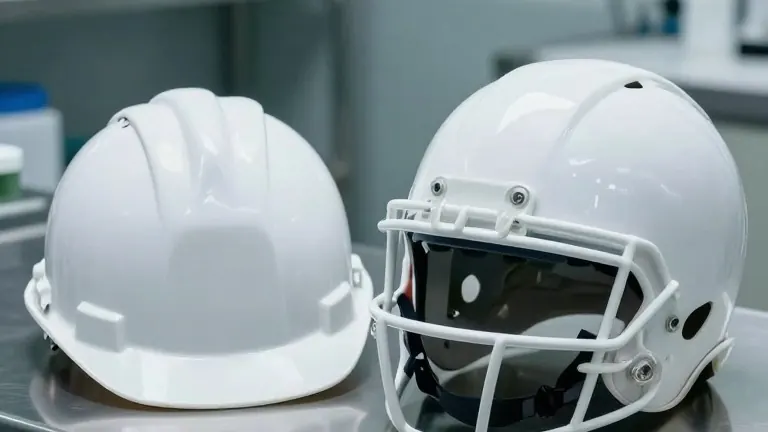
An estimated 75% of professional football players who died between 2008 and 2023 had signs of chronic traumatic encephalopathy, according to a study published Wednesday in JAMA Network Open. The figure represents the highest estimate to date for the prevalence of the disease in deceased former National Football League athletes.
The research team, led by Yorghos Tripodis of the Boston University Alzheimer’s Disease and CTE Center, analyzed data from 396 donated brains and national death records for 1,966 other deceased former players. This total sample size included approximately 2,360 former athletes. The team calculated that about 1,760 of these individuals, or nearly three-quarters, likely had CTE. This estimate is three times higher than a previous study by the same group published in August, which found that one-quarter of players who died over a five-year span had the condition.
Tripodis said he had to double-check the numbers due to the high percentage. He noted that the team performed a statistical analysis to correct for a known bias in brain donation. The analysis showed that families of players with symptoms of cognitive decline were about five times more likely to donate brains than families of players without symptoms. Without this adjustment, the rate of CTE in donated brains appeared to be 93%, a figure Tripodis considered too high to reflect the general population of deceased players.
The study found that about 27% of the former players in the analysis were estimated to have had dementia. Tripodis stated that while dementia can result from various causes, it is very likely that CTE contributed to these cases in this specific group. He clarified that not all people with signs of CTE experience cognitive decline or dementia, and some may never develop symptoms.
Dr. Julian Bailes, chair of neurosurgery at Endeavor Health, explained that CTE is caused by repeated head impacts that lead to the buildup of tau proteins in the brain. He noted that the condition can affect areas of the brain that regulate behavior and emotions, potentially leading to memory loss, depression, and mood swings. Bailes emphasized that the microscopic changes associated with CTE do not appear on brain scans, meaning the disease can only be definitively diagnosed through an autopsy.
Dr. Jim Kelly, a professor emeritus of neurology at the University of Colorado Anschutz, described the findings as estimates because the researchers did not have autopsies for five times as many players as they did. He suggested that some autopsies may have revealed only minor lesions that would not have caused behavior changes or dementia in living players. Kelly and Bailes agreed that the findings highlight the need for research into diagnosing CTE in people who are still alive.
In an emailed statement, an NFL spokesperson said the league continuously strives to make the game safer. The league cited recent measures, including redesigned helmets such as the Guardian Cap and the dynamic kickoff rule, which reduces collision speeds. Tripodis said that reducing the number of brain injuries and impacts is the key to substantially decreasing the risk of the disease.
The study contrasts the high rate of CTE in former NFL players with the general population, where only about 1% of brains donated to banks in the United States, Austria, and Brazil showed signs of the disease. Tripodis concluded that if doctors can reduce the number of brain injuries, they can significantly lower the risk for players.