House Stakes: 46 Battleground Districts Decide Control of the Lower Chamber
With a narrow 218 to 214 Republican lead, every swing in 46 competitive districts could shift the balance of power in the U.S. House.
By Layla Petrov ·
The outcome of the 2026 midterm elections hinges on a razor thin margin in the U.S. House of Representatives, where all 435 seats are up for grabs. Republicans currently hold a narrow majority of 218 seats, while Democrats hold 214, with one independent seat and some vacancies remaining. For Democrats to seize control of the chamber, they need a net gain of three districts. Conversely, Republicans can afford to lose no more than two seats to maintain their majority. This three seat difference means that the final count in dozens of closely watched races will determine which party sets the legislative agenda for the next two years.
Ballotpedia has identified 46 battleground districts that are considered competitive in this cycle. Of these, 25 are currently held by Democrats and 21 by Republicans. The political landscape in these districts is complex, with 21 Democratic held districts having voted for President Donald Trump in the 2024 presidential election. On the other hand, nine Republican held districts supported Vice President Kamala Harris in 2024. This crossover appeal suggests that voters in these areas are not strictly aligned with their congressional representatives, creating opportunities for both parties to flip seats based on performance and local issues.
The map for the House is being redrawn in seven states due to mid decade redistricting. California, Florida, Missouri, North Carolina, Tennessee, Texas, and Ohio are using new district lines for the first time. These new maps have altered the political calculations for candidates in these states. In particular, the new districts in Florida and elsewhere may not vote exactly as drawn, according to observations from political analysts. This redistricting process was part of a broader Republican strategy to counter the typical midterm trend where a president's party loses seats. However, the effectiveness of these new lines is being tested by voter behavior and local economic conditions.
Turnout is the critical variable in this election, as noted by RNC Chairman Joe Gruters, who stated that everything depends on voters showing up. The Associated Press reports that more than 57 million people had already cast their ballots as of Monday, surpassing early voting numbers from the previous cycle in many closely watched states. This high level of early participation indicates a strong interest in the election, with voters motivated by high prices and an unpopular war with Iran. The AP describes the election as a referendum on President Trump's second term, with about 7 in 10 Americans saying the country is heading in the wrong direction.
Economic concerns are driving voter sentiment, with 25 percent of U.S. adults approving of President Trump's handling of the economy in AP NORC polling. Most voters blame the president for high prices, a sentiment echoed by James Moore, a librarian in Raleigh, North Carolina, who noted that he is paying more for taxes, healthcare, and everything else. In contrast, Mark Barker of Palm Beach Gardens, Florida, expressed support for the president, saying he has been following Trump's work and believes he is doing an awesome job. These differing views highlight the polarization in the electorate, with Republicans bracing to lose the House while Democrats remain cautiously optimistic about their chances.
The financial resources behind the campaigns are also at a record level, with the 2026 elections likely to be the most expensive in history. Republican committees have out raised and out spent Democratic committees, aided by Trump affiliated groups and Elon Musk. At the candidate level, however, Democrats have out raised their opponents. An analysis of AdImpact data by the AP shows that 88.1 percent of Republican general election TV ad spending went to states and districts Trump won in 2024. This targeted spending strategy reflects the focus on holding onto the narrow House majority and flipping key districts in states that leaned Republican in the presidential election.
The administration's efforts to influence the election have drawn attention, with the Trump administration filing lawsuits in Alaska and California related to voting procedures. A federal judge temporarily barred the administration from carrying out a plan to prevent noncitizen voting, a move critics say risks disenfranchising eligible voters. Additionally, a judge ordered the administration to stop demanding that California election officials segregate ballots cast by people on lists of suspected noncitizens. These legal battles add a layer of complexity to the election administration, with the U.S. Postal Service adding hours and staff to ensure mail ballots are counted on time.
The stakes extend beyond the immediate control of the House, as a Democratic victory in either chamber would likely lead to investigations and possible impeachment proceedings. House Democratic Leader Hakeem Jeffries, who would be the first Black speaker if Democrats win, has outlined a 100 day agenda focused on the cost of living and oversight. A strong Democratic showing would also boost potential 2028 candidates such as Gavin Newsom, JB Pritzker, and Pete Buttigieg. For Republicans, holding the House is essential to protect their legislative priorities and maintain momentum for the president's final two years in office.
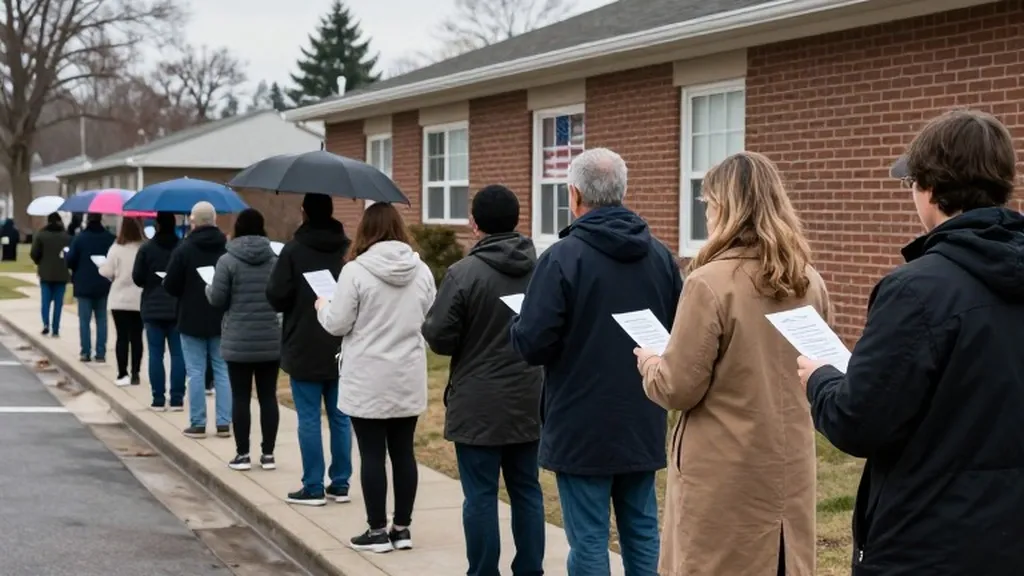
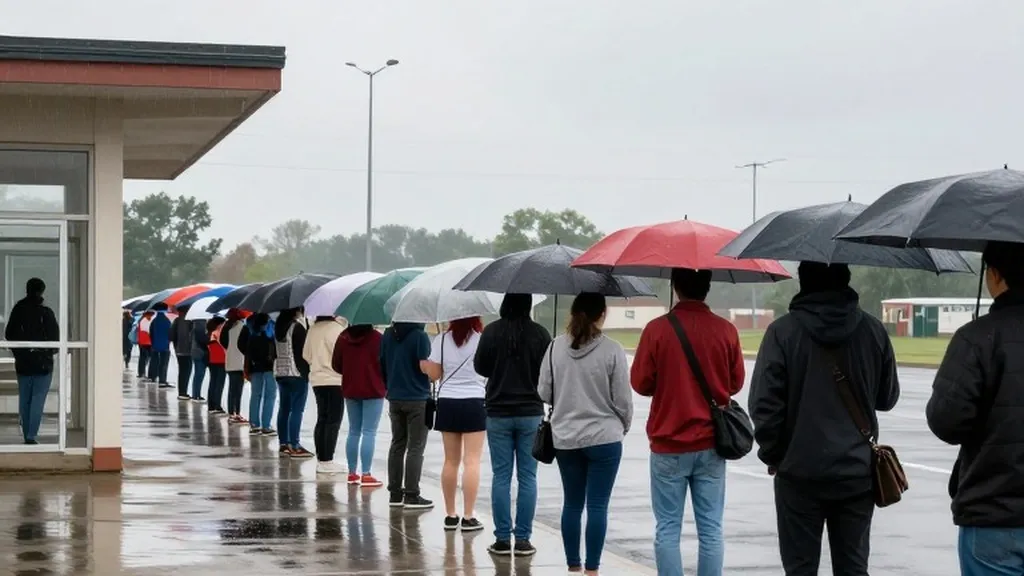
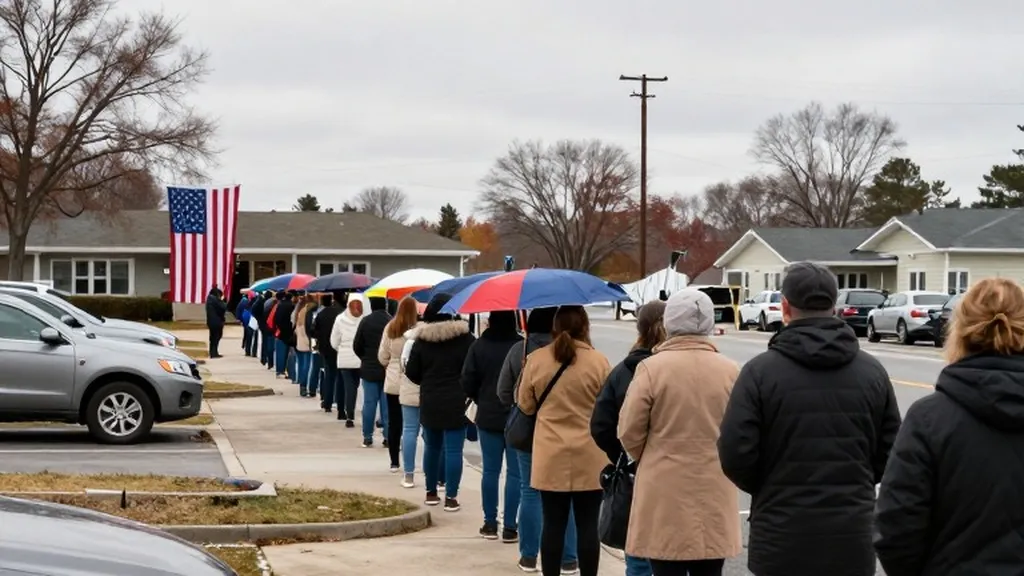
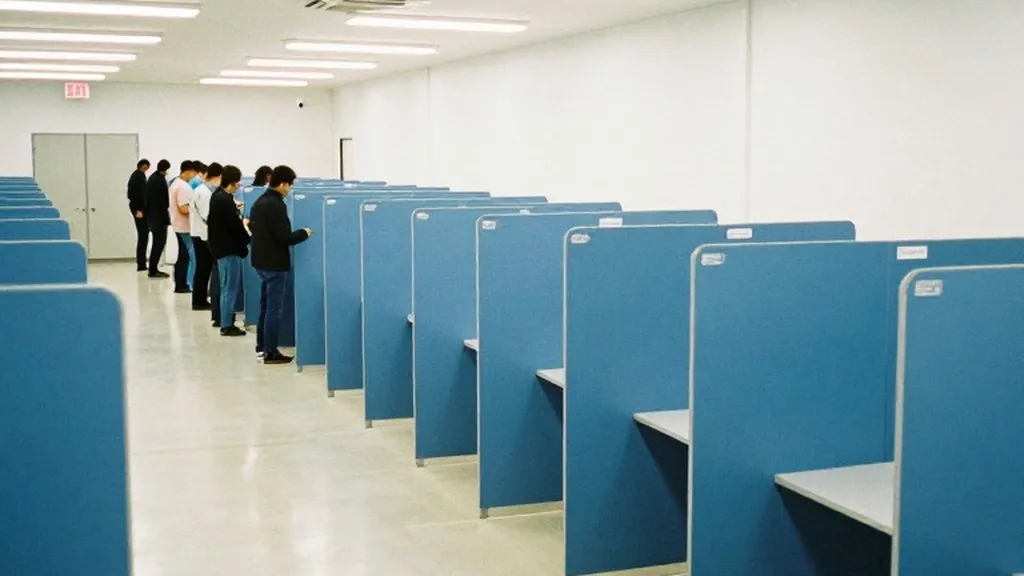
Voters across the country are heading to the polls today, with hours varying by state. In states like Florida and Texas, polls are open from 7 a.m. to 7 p.m., while in New York, they remain open until 9 p.m. Anyone in line when polls close is entitled to vote, according to USA.gov. The final numbers from the 46 battleground districts will provide the clearest picture of the House race, with the three seat margin serving as the ultimate decider. As polls close and counts begin, the nation will watch to see if the new maps and high turnout shift the balance of power in the lower chamber.