Midterm stakes: House control, Jeffries' agenda, and the 2028 path
Voters decide who controls Congress for Trump's final two years, with implications for investigations, nominees, and future presidential candidates.
By Layla Petrov ·
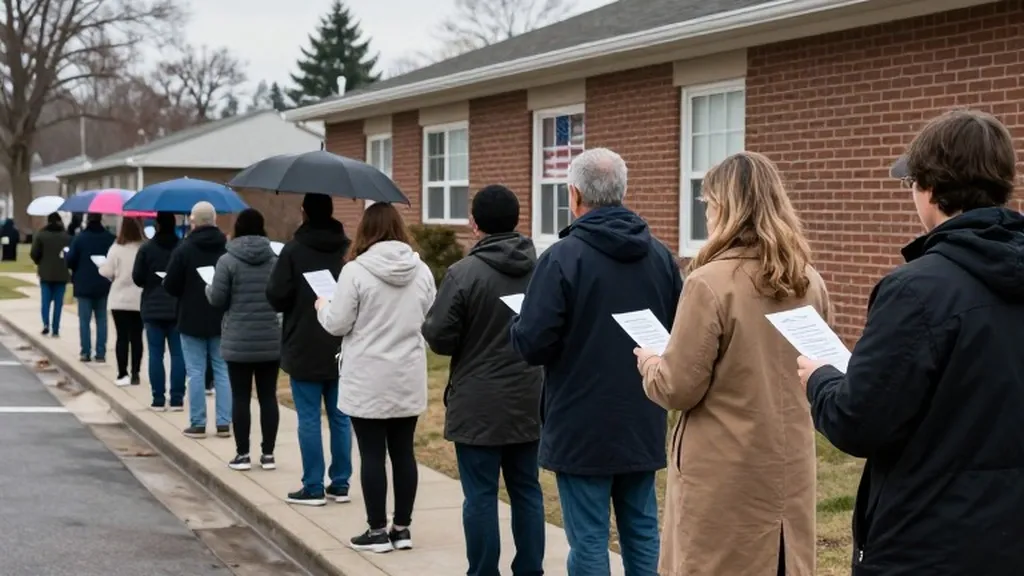
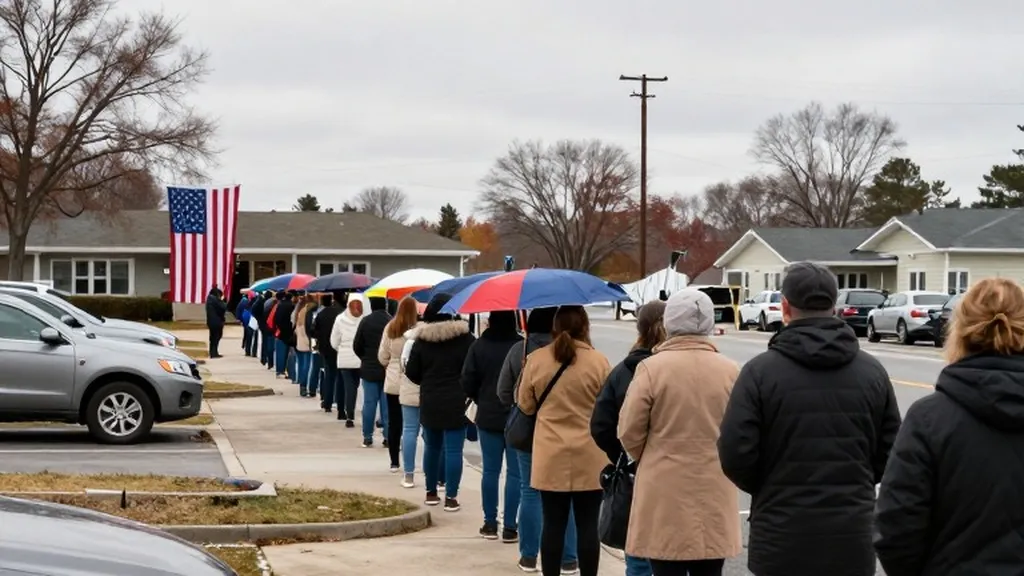
Election Day has arrived for the 2026 midterms, a critical juncture that will determine which party controls the U.S. House and Senate for the final two years of President Donald Trump's second term. The vote is a referendum on the administration's performance, with many voters expressing frustration over high prices and the ongoing conflict with Iran. 35 percent of U.S. Adults approve of Trump's job performance, while 25 percent approve of his handling of the economy. About seven in ten respondents say the country is heading in the wrong direction, with most blaming the president for rising costs. These figures underscore the high stakes of a day where polls remain open and no results have been reported yet.
The House of Representatives is the central battleground, with all 435 seats up for grabs. Republicans currently hold 218 seats, while Democrats hold 214, along with one independent and some vacancies. To secure a majority, Democrats need a net gain of three districts, whereas Republicans can afford to lose no more than two. Ballotpedia identifies 46 battleground districts, with 25 held by Democrats and 21 by Republicans. The outcome in these tight races will dictate whether House Democratic Leader Hakeem Jeffries becomes Speaker or if the Republican majority remains intact. If Democrats win the House, investigations and possible impeachment proceedings become likely, marking a significant shift in congressional oversight.
House Democratic Leader Hakeem Jeffries, who would be the first Black speaker, has outlined a 100-day agenda focused on the cost of living and oversight. This plan signals a clear direction for Democratic leadership should they take control. Republicans, bracing for potential losses, have fought to hold the Senate and prevent a Democratic sweep. The Associated Press notes that one or two seats could tip either chamber, making the Senate race equally vital. Republicans currently hold 53 seats, while Democrats hold 45, plus two independents who caucus with Democrats. Democrats need a net gain of four seats for a Senate majority, a challenging but possible feat given the competitive nature of several states.
Thirteen Senate races are considered battlegrounds, with key contests in states such as Georgia, Iowa, Kansas, and Michigan. In Georgia, Senator Jon Ossoff faces Republican Representative Mike Collins in a state where Trump won by 2.2 percent in 2024. In Iowa, the seat is open due to the retirement of Senator Joni Ernst, and the race is rated as a toss-up or tilt Republican. Kansas, traditionally a Republican stronghold, has become central to the fight for Senate control, with Senator Roger Marshall facing a competitive challenge. The AP highlights that economic strain and tariffs have made states like Maine competitive, where Senator Susan Collins faces Democratic former state Senate President Troy Jackson.
The governor's race also carries significant implications, with 36 governorships on the ballot. Republicans hold 26 governor's offices, while Democrats hold 24. Democrats aim to hold a majority of governorships for the first time in two decades, which would require a net gain of two seats. Key matchups include Georgia, where Republican Rick Jackson faces Democratic former Atlanta Mayor Keisha Lance Bottoms, and Ohio, where Republican Vivek Ramaswamy contests Democrat Amy Acton. The AP calls Texas, Florida, and Iowa competitive governor races, noting that the results could influence policy implementation and state-level appointments. A strong Democratic night would boost potential 2028 candidates such as Gavin Newsom, JB Pritzker, and Pete Buttigieg, while potentially complicating Vice President JD Vance's path.
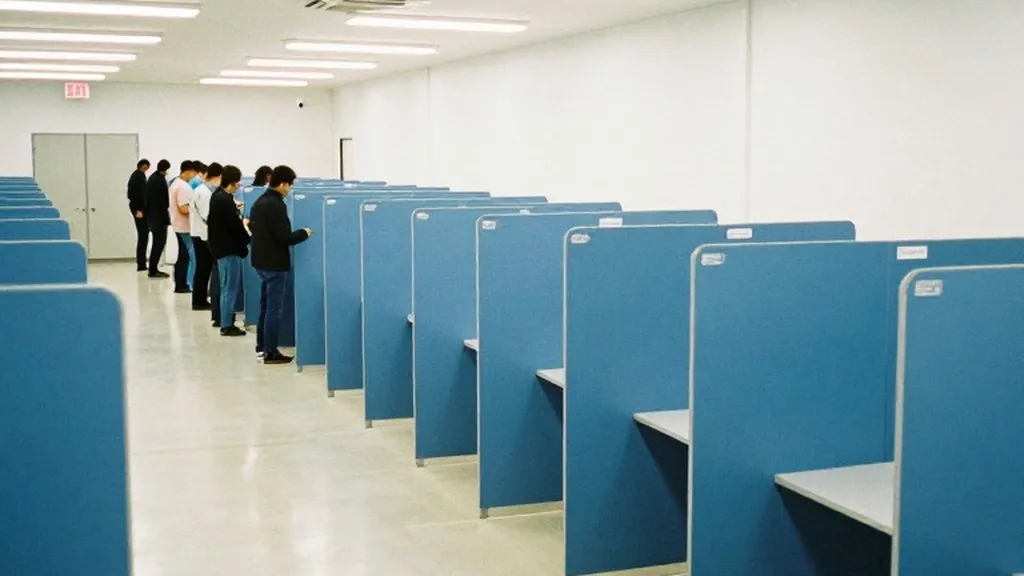
Voter turnout is a critical factor, with more than 57 million people having already voted as of Monday, surpassing early vote numbers from four years ago in many closely watched states. RNC Chairman Joe Gruters emphasized that everything depends on turnout, stating that if Republicans turn out their voters, they win. Conversely, DCCC Chair Representative Suzan DelBene noted that the American people are angry and want change. These sentiments reflect the divided mood of the electorate, with some voters supporting Trump's leadership and others demanding accountability for economic issues. Trump held dozens of rallies, including one in Salina, Kansas, where he urged voters to pretend he was on the ballot.
Election administration has faced challenges, with a federal judge temporarily barring the Trump administration from implementing a plan to prevent noncitizen voting. Critics argue this risks disenfranchising eligible voters, while the administration maintains it is necessary to ensure election integrity. The U.S. Postal Service has added hours and staff to ensure mail ballots are counted on time. Reuters notes that Wall Street is watching the results closely, as control of Congress could impact investor concerns about AI spending and debt ceiling negotiations. The outcome of these administrative and legal battles may also influence public trust in the electoral process, a key concern for both parties.
The financial aspect of the election is unprecedented, with the 2026 elections likely to be the most expensive in history. Republican committees outraised and outspent Democratic committees, aided by Trump-affiliated groups and Elon Musk. However, at the candidate level, Democrats outraised their opponents. An AP analysis of AdImpact data shows that 88.1 percent of Republican general election TV ad spending went to states and districts Trump won in 2024. This heavy spending reflects the high stakes of the midterm elections and the efforts by both parties to secure key victories. The distribution of funds highlights the strategic focus on maintaining Republican majorities in areas where Trump performed well.