Governor Races Feature 19 Open Seats and Nine Battlegrounds on Election Day
With 19 open seats and a 18 to 18 partisan split, voters in nine key states will determine if Democrats end a 16-year Republican hold on the governorship count.
By Madison Lewis ·
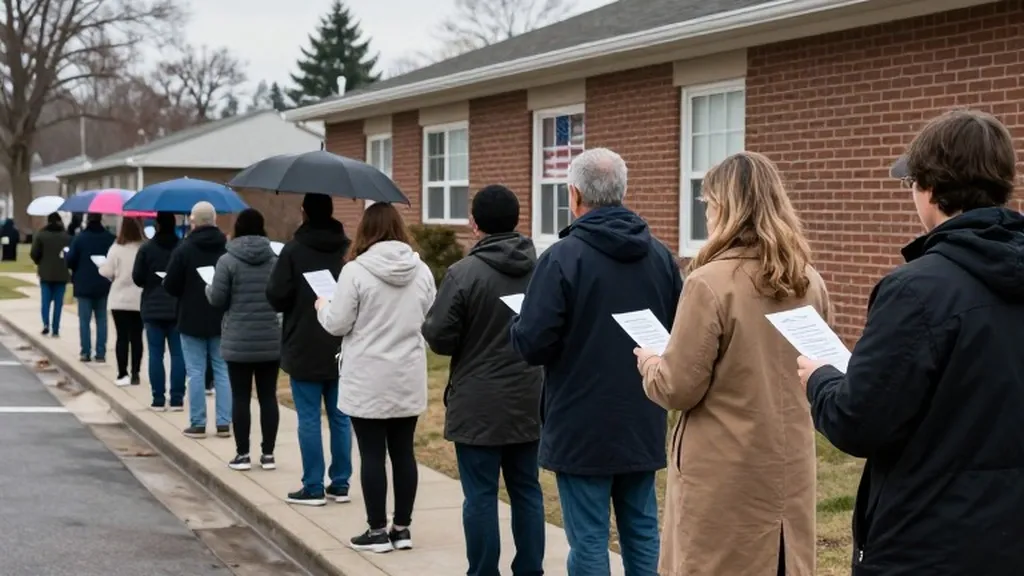
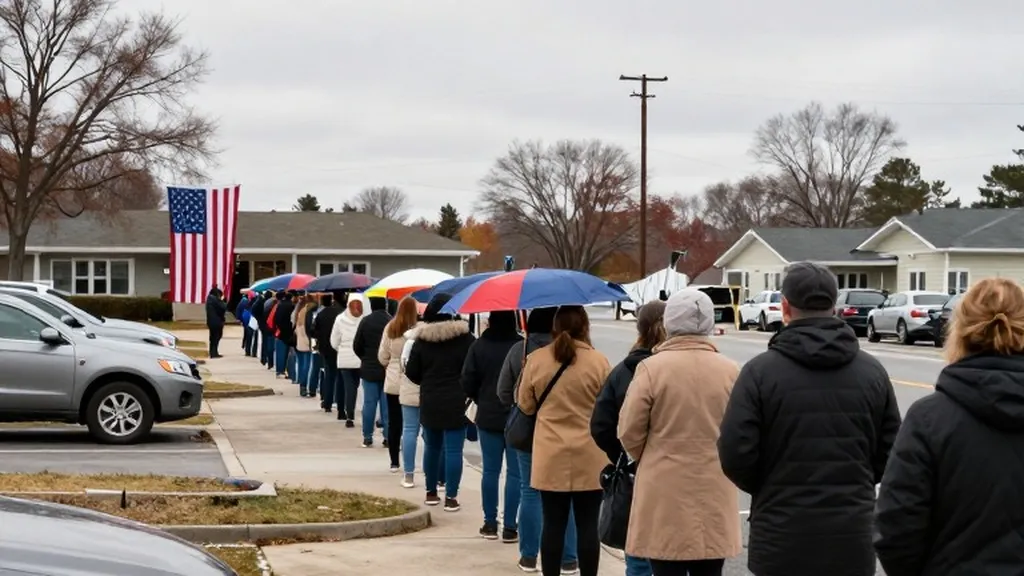
Voters across the nation are heading to the polls on Tuesday, November 3, 2026, to decide the outcome of 36 governor races. Republicans currently hold 26 governor's offices while Democrats hold 24. Of the specific seats on the ballot this year, the parties are evenly matched, with each holding 18. This balanced starting point makes the upcoming results critical for the balance of power in statehouses across the country.
A defining feature of this cycle is the high number of open seats. 19 of the 36 races have no incumbent on the ballot. Fifteen governors are term limited and must step down. Additionally, Iowa's Kim Reynolds, Minnesota's Tim Walz, and Wisconsin's Tony Evers chose not to run for re-election. Rhode Island's Daniel McKee is also not on the ballot after losing his primary. These vacancies create opportunities for challengers from both parties to make a first impression on statewide voters.
Nine states are identified as battlegrounds by Ballotpedia: Alaska, Arizona, Georgia, Iowa, Kansas, Michigan, Nevada, Ohio, and Wisconsin. In these states, the margin of victory is expected to be narrow. The Associated Press and PBS have highlighted specific matchups in several of these contests. In Georgia, Republican health care executive Rick Jackson faces Democratic former Atlanta Mayor Keisha Lance Bottoms. In Nevada, Republican Governor Joe Lombardo is running against Democratic Attorney General Aaron Ford.
The race in Ohio has drawn significant attention, with Republican Vivek Ramaswamy facing Democrat Amy Acton. Ramaswamy's campaign has navigated recent controversy following an advertisement that featured Acton's estranged mother. The Associated Press notes that the governor races in Texas, Florida, and Iowa are also considered competitive, adding to the list of states where the outcome could shift the national partisan balance.
Democrats are looking to secure a net gain of two governorships to achieve a nationwide majority. Republicans have held the majority of governorships since 2010. This year, Democrats would need to win enough open seats and flip at least one incumbent seat to reach that threshold. The Associated Press notes that Democrats are cautiously optimistic about their chances, particularly in states where economic strain and tariffs have made the races more competitive.
Republicans are bracing for the possibility of losing the House and are fighting to hold the Senate. The Associated Press describes the election as a referendum on President Donald Trump's second term, with voters struggling with high prices and angry over an unpopular war with Iran. AP-NORC polling indicates that 35 percent of U.S. Adults approve of Trump's job performance, while about seven in 10 say the country is heading in the wrong direction. Most respondents in the poll blame him for high prices.
More than 57 million people had already voted as of Monday, surpassing the early vote of four years ago in many closely watched states. Republicans were bracing to lose the House, while Democrats were cautiously optimistic. Trump held dozens of rallies, ending Sunday in Salina, Kansas, where he told the crowd, "I really want you to pretend I'm on the ballot." His schedule also included stops in Mississippi, South Carolina, and Texas.
Money is playing a significant role in the 2026 elections, which are likely to be the most expensive in history. Republican committees outraised and outspent Democratic committees, helped by Trump-affiliated groups and Elon Musk. However, at the candidate level, Democrats outraised their opponents. An AP analysis of AdImpact data shows that 88.1 percent of Republican general election TV ad spending went to states and districts Trump won in 2024. This included more than $850 million in states where he won by 10 points or more.
The stakes extend beyond statehouses. If Democrats win even one chamber of Congress, investigations and possible impeachment proceedings become likely. House Democratic Leader Hakeem Jeffries would be the first Black speaker and has outlined a 100-day agenda on the cost of living and oversight. A strong Democratic night would boost potential 2028 candidates Gavin Newsom, JB Pritzker, and Pete Buttigieg. It could also complicate the path for Vice President JD Vance, who is watching the results closely.
Election administration has been a point of contention as well. A federal judge on Monday temporarily barred the Trump administration from carrying out a plan it says would prevent noncitizen voting. Critics say the plan risks disenfranchising eligible voters and infringes on states' authority over elections. Another judge ordered the administration to stop demanding that California election officials segregate ballots cast by people on its lists of suspected noncitizens. The U.S. Postal Service has added hours, staff, and special lines to ensure mail ballots are counted on time.
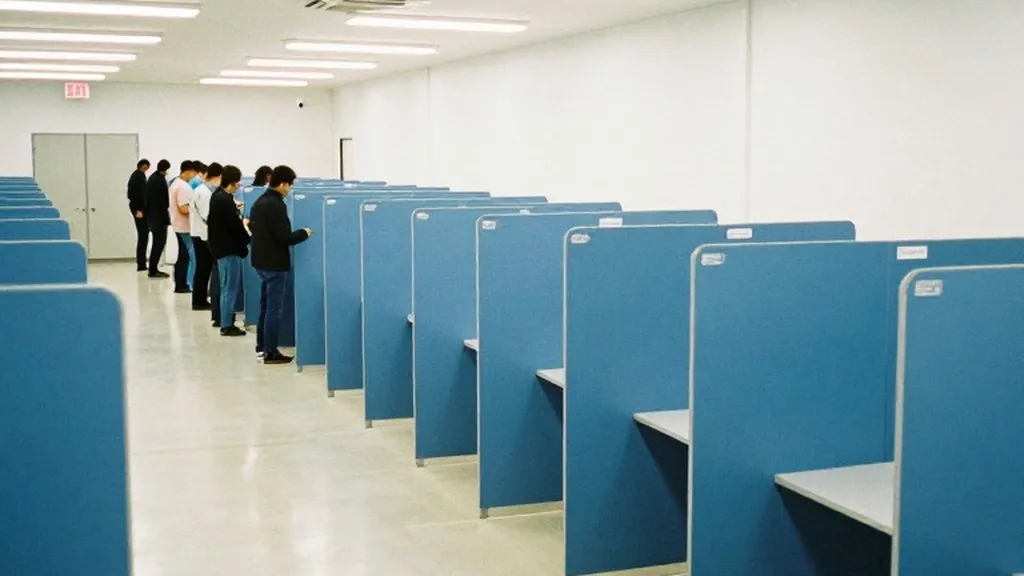
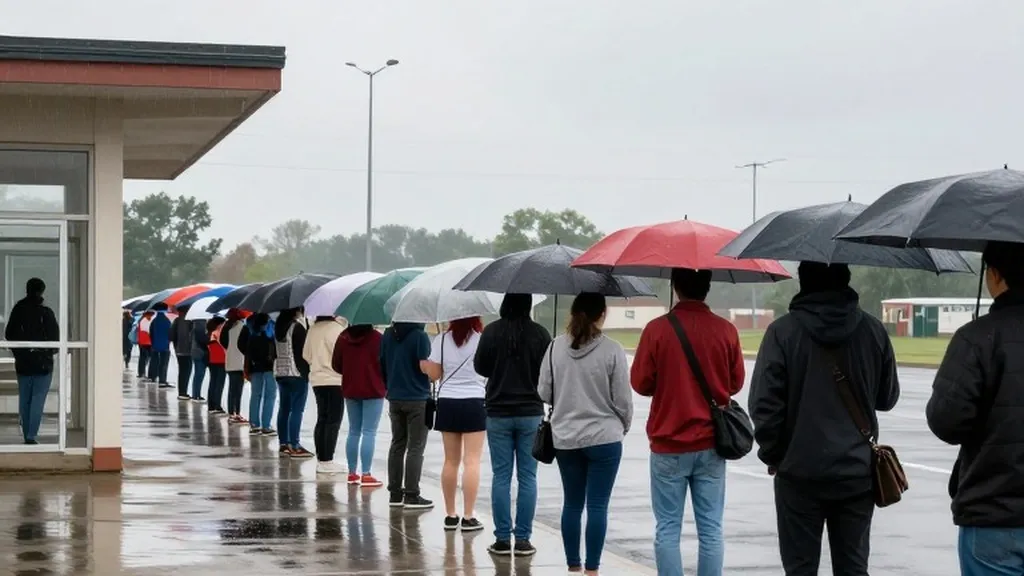
Voters in various states will cast their ballots today under different polling hours. For example, polls in Florida are open from 7 a.m. To 7 p.m., while in New York, they are open from 6 a.m. To 9 p.m. In states like California and Colorado, the election is largely by mail. The Associated Press quotes RNC Chairman Joe Gruters, who said, "Everything depends on turnout. If we turn out our voters, we win, and that's what we've been planning for." DCCC Chair Rep. Suzan DelBene countered, "The American people are angry. They want change."
The results of these 36 races will shape the political landscape for the next two years of the Trump administration. With polls open, voters are making their final decisions on who will lead their states and who will control the levers of power in Washington. The outcome will provide a clear signal on how the American public views the current administration's handling of the economy, border security, and other key issues.