Record Spending and Targeted Ads Define High-Stakes Midterms
Republicans dominated committee-level fundraising, while Democrats held a candidate-level edge in a race that could be the most expensive in history.
By Jabari Long ·

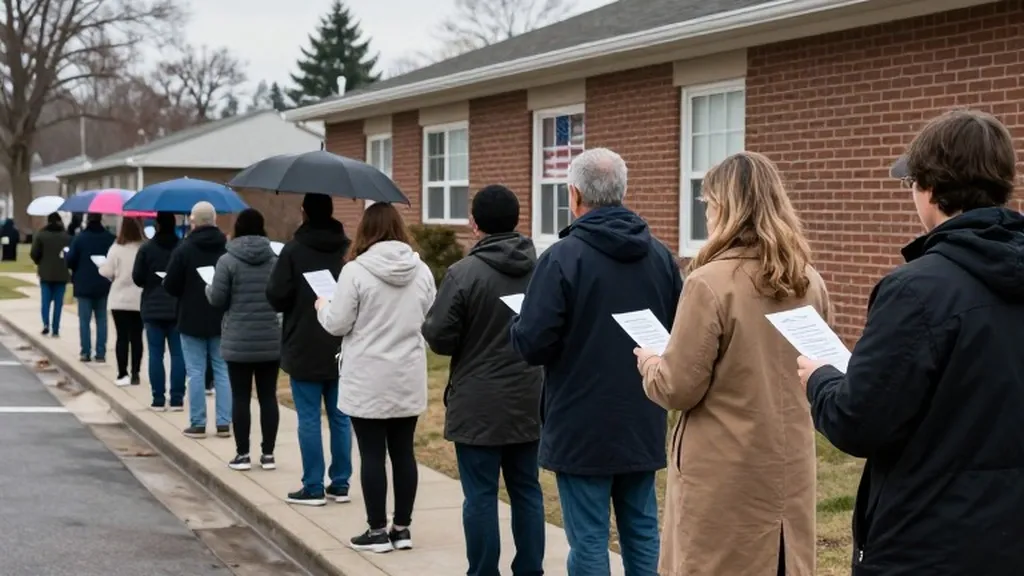
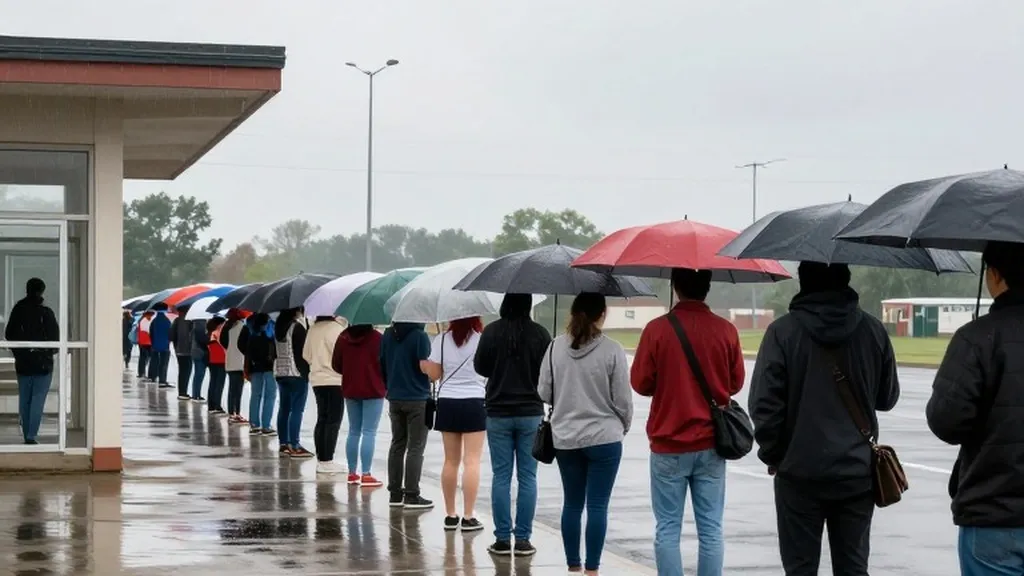
Voters across the nation cast their ballots on Tuesday for a midterm election that is shaping up to be the most expensive in American history. The sheer volume of money poured into this cycle underscores the high stakes involved in determining who controls Congress for the final two years of President Donald Trump's second term. With all 435 House seats and 35 Senate seats up for grabs, the financial resources deployed by both parties reflect a deep concern over the direction of the country and the balance of power in Washington.
According to an analysis of data from AdImpact, the distribution of advertising dollars has been sharply divided by political geography. Eighty-eight percent of Republican general election television ad spending was directed toward states and districts that Donald Trump won in the 2024 presidential election. This strategic focus was particularly intense in areas where his victory was decisive. In districts where Trump won by ten points or more, Republicans spent more than 850 million dollars on television advertising. This targeted approach suggests a strategy aimed at securing strong showings in the president's strongestholds to potentially offset losses in more competitive areas.
The disparity in spending was not uniform across all levels of the political structure. At the committee level, Republican organizations outraised and outspent their Democratic counterparts. This financial advantage was bolstered by support from Trump-affiliated groups and significant contributions from Elon Musk. These large-scale funding sources allowed Republican committees to maintain a substantial presence in the airwaves, particularly in the red states and districts identified in the AP analysis. The influx of capital from these sources helped sustain a high volume of advertising that kept Republican candidates visible to voters throughout the campaign.
In contrast, the financial dynamics at the candidate level presented a different picture. Despite the committee-level deficit, Democratic candidates outraised their Republican opponents in individual races. This candidate-level edge allowed Democratic campaigns to maintain a strong presence in key battleground districts and states where the outcome is closely contested. The divergence between committee and candidate funding highlights the complex nature of modern election financing, where different tiers of the party structure may pursue different strategic objectives regarding resource allocation.
The Associated Press describes the election as a referendum on the president's second term, with many voters expressing frustration over high prices and an unpopular war with Iran. Polling data indicates that 35 percent of U.S. Adults approve of Trump's job performance, while only 25 percent approve of his handling of the economy. Furthermore, about seven in ten adults believe the country is heading in the wrong direction. These sentiments appear to have driven significant voter engagement, with more than 57 million people having already voted as of Monday, surpassing the early vote totals from four years ago in many closely watched states.
Republicans have been bracing for the possibility of losing the House, a chamber where they currently hold a narrow majority. They are fighting to hold the Senate, where they possess a 53 to 45 advantage, with two independents caucusing with Democrats. The AP notes that one or two seats could tip the balance in either chamber. Democrats, meanwhile, have described themselves as cautiously optimistic. The potential for a Democratic takeover of one or both chambers would likely trigger investigations and possible impeachment proceedings, significantly altering the legislative landscape for the remainder of the Trump term.
The role of money in this election is inextricably linked to the broader political narrative. The heavy spending in Trump's 2024 win districts may be an attempt to solidify the party's base and ensure high turnout in areas where the president's approval, while low nationally, may still resonate with local constituents. Conversely, the Democratic candidate-level fundraising success suggests a focus on specific districts where they can make the most impact, potentially targeting the 46 battleground districts identified by Ballotpedia. These districts include 25 held by Democrats and 21 held by Republicans, with 21 of the Democratic-held districts having voted for Trump in 2024.
Voters on the ground are expressing their views on the cost of living and the direction of the country. Mark Barker of Palm Beach Gardens, Florida, said that he has been following Trump closely and believes he is doing an awesome job. In contrast, James Moore, a 57-year-old librarian in Raleigh, North Carolina, cited higher taxes and healthcare costs as reasons for his vote. These individual stories reflect the broader national conversation about economic strain, which has been a central theme in the advertising campaigns funded by the record-breaking sums of money spent this cycle.
The administration has also been involved in legal battles related to election administration, which adds another layer of complexity to the financial and political stakes. A federal judge temporarily barred the Trump administration from carrying out a plan to prevent noncitizen voting, and another judge ordered the administration to stop demanding that California election officials segregate specific ballots. These legal moves, along with the threat of prosecution for local election officials, have raised concerns about interference, potentially influencing how voters perceive the integrity of the process and how candidates allocate their remaining campaign funds for get-out-the-vote efforts.
As polls close in various time zones, the focus shifts to the actual results and how the massive investment in this election translates into seats in Congress. The interplay between the Republican committee edge in fundraising, the Democratic candidate-level advantage, and the targeted spending in Trump's 2024 win districts will determine whether the midterm pattern holds or if the president's party can weather the typical headwinds. The outcome will not only set the stage for the final two years of this administration but also provide critical insights into the state of the nation's political economy and the effectiveness of record-breaking campaign spending in shaping electoral outcomes.